Agile exists for one reason: plans rarely survive contact with real work. Priorities shift, requirements evolve, and long cycles make corrections expensive. Working in shorter increments keeps adjustments smaller and cheaper. In 2026, this is less about methodology preference and more about keeping delivery aligned with reality. Below is how Scrum and Kanban change day-to-day execution.
Key takeaways

Agile Project Management runs on short cycles. Reviewing work every few weeks prevents small mistakes from turning into structural problems.
Scrum and Kanban expose how work actually moves. When bottlenecks are visible, they can be addressed before deadlines slip.
Agile raises delivery stability by limiting parallel tasks and focusing on what matters now. The principles behind Agile Project Management are practical choices about workflow.
Introduction
By 2026, product teams rarely deal with stable roadmaps. Customer feedback, market pressure, and internal priorities shift faster than quarterly plans. Long delivery cycles make those shifts costly. Agile Project Management shortens the gap between decision and result. Smaller batches of work mean feedback arrives sooner, and corrections require less rework. The gain comes from tighter loops, not from pushing teams harder.
Core Principles of Agile Project Management
Agile Project Management centers on ownership and frequent review. Its core principles shape everyday execution:
- Iterative Process. Work is delivered in short sprints. Regular review keeps misalignment contained. Fixing a two-week mistake is cheaper than fixing a six-month one.
- Emphasis on Teamwork. Teams organize their work around shared goals instead of waiting for layered approvals. Decisions move faster, but only if roles are clear.
- Continuous Feedback. Each sprint ends with review and reflection. That habit prevents stagnation. Without it, teams repeat the same friction points under a different schedule.
Benefits of Agile for Teams in 2026
1. Flexibility and Adaptability
Waterfall planning assumes the initial scope will hold. In practice, it rarely does. When requirements change midstream, timelines stretch and effort doubles back on itself. Agile accepts that change will happen and builds checkpoints into the schedule. Scrum uses sprint planning and review. Kanban relies on flow limits and visual boards. Instead of rebuilding a master plan, teams adjust what comes next. If that discipline slips, backlog disorder replaces progress.
2. Improved Team Collaboration
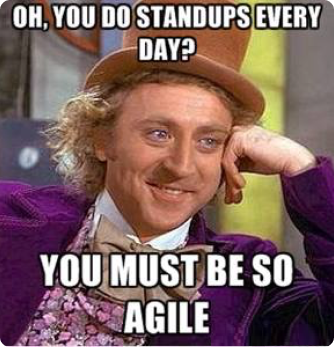
Collaboration in Agile is practical. Shared boards and short daily syncs show who is blocked and why. Issues are handled while they are still small. When communication weakens, visibility tools alone do not solve coordination problems.
3. Increased Productivity
Output becomes steadier when teams finish tasks before starting new ones. Limiting work in progress reduces context switching. Deliverables are smaller, so progress is easier to track. When too many items run in parallel, predictability drops and deadlines become estimates rather than commitments.
Interesting fact 
The term "Agile" appeared in 2001 in the Agile Manifesto, written by 17 software practitioners who were dissatisfied with rigid development processes. They prioritized working software and responsiveness over heavy documentation. That perspective still shapes how modern teams structure delivery.
How to Implement Agile in Your Company
- Choose the Right Methodology
Scrum fits teams that can commit to fixed sprint windows and clear goals. Kanban works better where tasks flow continuously and need prioritization rather than timeboxing. The method should reflect how work actually behaves. Otherwise, rituals replace results.
- Build an Agile Team
Form teams that can deliver usable increments without depending on external approvals. Define who sets priorities and who executes them. If responsibility is unclear, iteration slows.
- Implement Iterative Processes
Agree on a steady sprint rhythm. Keep the backlog current. Close each cycle with something demonstrable. When iterations end without visible progress, the framework loses credibility.
Agile’s Impact on Team, %
The chart shows improvements teams often report when Agile practices are applied consistently, especially in flexibility, coordination, and delivery stability.
Conclusion
Agile Project Management in 2026 is a way to keep delivery close to current priorities. Short cycles limit the cost of mistakes. Clear ownership reduces waiting time. Visible backlogs prevent hidden overload. Teams that avoid structured iteration usually face slower releases and growing rework. For SaaS teams that need structured sprint planning, backlog visibility, and clear iteration outcomes, the Taskee.pro platform provides the structure to run this workflow consistently.
Recommended reading 

"Agile Estimating and Planning" by Mike Cohn
Practical techniques for estimating and planning in Agile projects to help teams deliver on time and within budget.
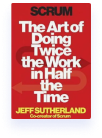
"Scrum: The Art of Doing Twice the Work in Half the Time" by Jeff Sutherland
Insights from Scrum's co-creator on how this framework structures productivity and execution discipline.
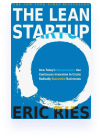
"The Lean Startup" by Eric Ries
A practical perspective on iterative development, experimentation, and validated learning in product environments.


