In the era of remote and hybrid work, teams are increasingly relying on real-time collaboration. It’s more than just a method—it's a culture of interaction that transforms team productivity and communication. This article explores the benefits, challenges, strategies, and tools that make real-time collaboration truly effective.
Key takeaways

Success depends on the right tools, clear guidelines, and a culture of collaboration
Be mindful of the risks: information overload, time zone differences, and the need for digital literacy
Real-time collaboration speeds up workflows and boosts productivity
Introduction
Imagine several people working on the same document, project, or idea at the same time—instantly seeing each other’s changes as they happen.
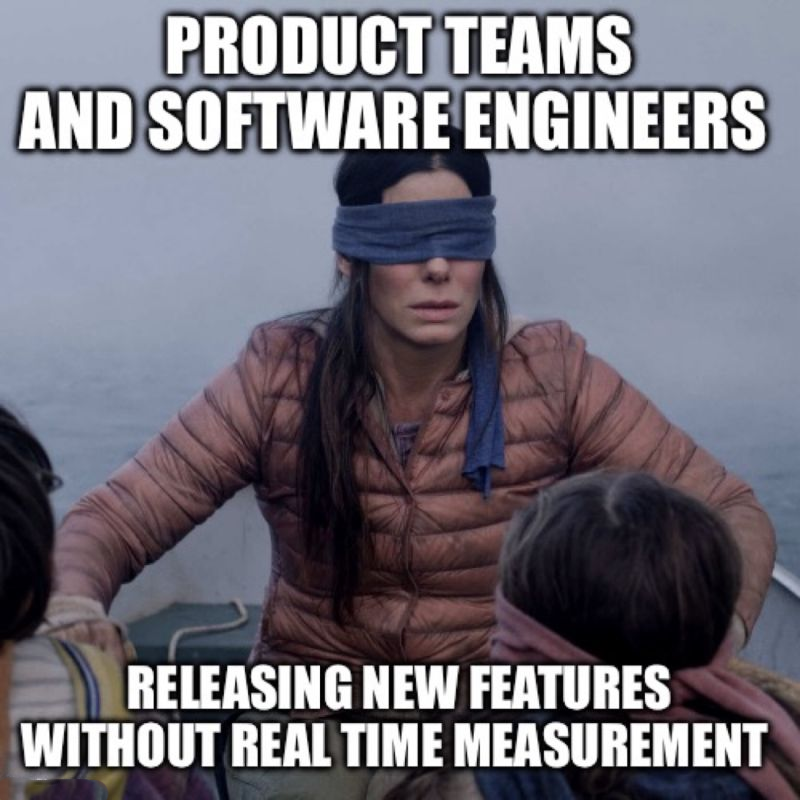
That’s the essence of real-time collaboration.
It’s a way of working where team members communicate and contribute toward a shared goal simultaneously—or with minimal delay—regardless of their physical location.
The key word here is synchronous, meaning interactions happen at the same time, with instant feedback.
Benefits
Implementing real-time collaboration brings tangible advantages to your team and projects:
- Increased productivity. Multiple people can work on the same task simultaneously, significantly reducing the overall time needed to complete it. There’s no more waiting for “your turn” or updated versions—this directly boosts team efficiency.
- Greater transparency. Everyone has a clear view of the project’s current status, who’s working on what, and how things are progressing. This builds trust and reduces the need for constant status meetings.
- Faster problem-solving. When issues arise, the team can immediately come together, share insights, and find a solution collectively. Less email ping-pong, more action.
- Better decision-making. Access to real-time information and instant discussions lead to faster, more informed decisions.
- Flexibility for remote work. For distributed teams, real-time collaboration is a game-changer. It overcomes geographical barriers and fosters a sense of presence and connection.
- Knowledge sharing. Team members continuously learn from each other by observing how problems are solved, best practices are applied, and new tools are used. This accelerates both individual growth and team development.
Challenges
Despite its power, real-time collaboration comes with certain challenges that need to be addressed:
- Information overload. A constant stream of messages and updates can overwhelm team members and hurt focus. Setting boundaries and notification management strategies is essential.
- Internet connectivity requirements. Without a stable, high-speed connection, real-time collaboration becomes difficult and frustrating.
- Time zone differences. For global teams, working synchronously can be complicated due to large time gaps. In such cases, fully synchronous communication isn’t always the best solution.
- Loss of focus. It’s easy to get caught up in discussions or rely too heavily on others’ input instead of thinking independently.
- Team culture. A successful collaborative environment requires openness, trust, and a willingness to compromise—not everyone is used to this level of transparency.
- Tool overload. With so many collaboration tools available, choosing the right ones can be confusing. Selecting the best-fit solutions is critical to avoid inefficiencies.
Tools
The market is flooded with collaboration tools—Google Docs for document editing, Slack for quick messaging, Miro for visual planning. But the more tools teams use, the harder it becomes to stay focused and in control. Constant switching leads to lost information, duplicated efforts, and reduced efficiency.
That’s where Taskee.pro stands out—a platform that brings together task management, communication, and time tracking in a single, streamlined workspace. It helps teams focus on getting work done, not managing the logistics of working together.
Key benefits of Taskee.pro:
- Task-based communication. No more bouncing between messengers, emails, and task trackers. Everything important is in one place, reducing distractions and boosting productivity.
- Flexible for any team. Whether you're a project agency, a freelance team, or an online school, Taskee.pro adapts to your workflow.
- Built-in integrations and time tracking. All the essentials are right where you need them—no need for extra tools.
- Smart task visualization. Everyone on the team gets a real-time view of the project’s progress, knows their priorities, and can react quickly to changes. The platform supports live updates, so changes, comments, and statuses appear instantly—no page refresh required.
The key isn’t how many tools you use, but whether they truly support your team’s workflow. The right platform doesn’t just make collaboration easier—it makes it strategically more effective.
Success strategies
Having the right tools isn’t enough—real-time collaboration only works when supported by the right strategies:
- Set clear rules. Define how and when to use different communication channels. When is chat appropriate? When should you switch to a video call? How often should team members check notifications? Clear “rules of engagement” help reduce digital noise.
- Clarify expectations. Make sure everyone understands what “real-time collaboration” means for your team. Is it about responding instantly to messages, or simply being available during working hours?
- Encourage participation, but value focus. Promote active involvement and idea sharing, but also emphasize the importance of deep, focused work—sometimes that means stepping away from notifications.
- Run regular syncs. Even with real-time collaboration, short daily stand-ups or weekly check-ins are helpful for aligning on strategy and maintaining momentum.
- Use video intentionally. When possible, turn cameras on during calls. It improves nonverbal communication and helps keep people engaged.
- Train and support your team. Make sure everyone knows how to use your collaboration tools effectively. Offer training and ongoing support.
- Foster a feedback culture. Encourage open, constructive feedback—not just about work outcomes, but also about collaboration processes. This helps teams continuously improve their communication and workflows.
- Balance synchronous and asynchronous work. Not everything needs an instant reply. Sometimes it’s better to give people time to reflect and respond. Finding the right mix helps maintain long-term team productivity.
Interesting fact 
When Google Docs was developed in 2006, Google engineers introduced real-time collaborative editing at scale for the first time—marking a technological breakthrough that reshaped the entire industry.
Related articles:
Want to learn how to balance work with your passions? Read How to balance work and hobbies: Tips for a more fulfilling life.
Looking to boost team motivation? Explore Positive reinforcement in task management to boost team productivity.
To strengthen your team’s connection and collaboration, check out Build a strong remote work culture.
Conclusion
Real-time collaboration is more than just a tool—it’s a philosophy that enables teams to work more cohesively, flexibly, and productively. By adopting best practices, selecting the right collaboration software, and fostering a culture of open synchronous interaction, you can overcome any barrier—whether it’s geographical distance or complex projects. Investing in this approach pays off with improved communication in remote teams and a significant boost in overall productivity.
Recommended reading 
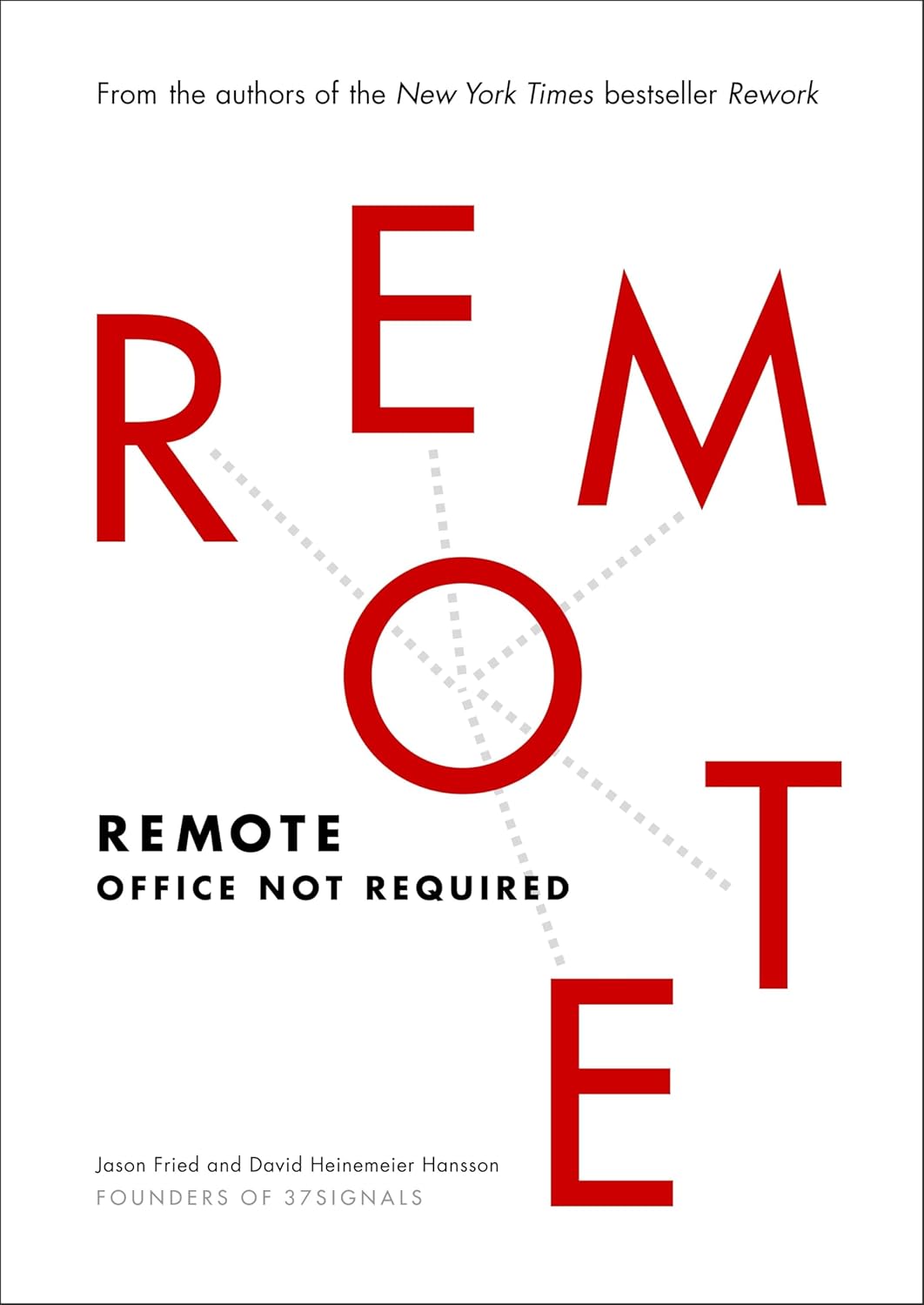
“Remote: Office Not Required”
A practical guide to building effective remote teams, emphasizing autonomy, trust, and clear communication.
On Amazon
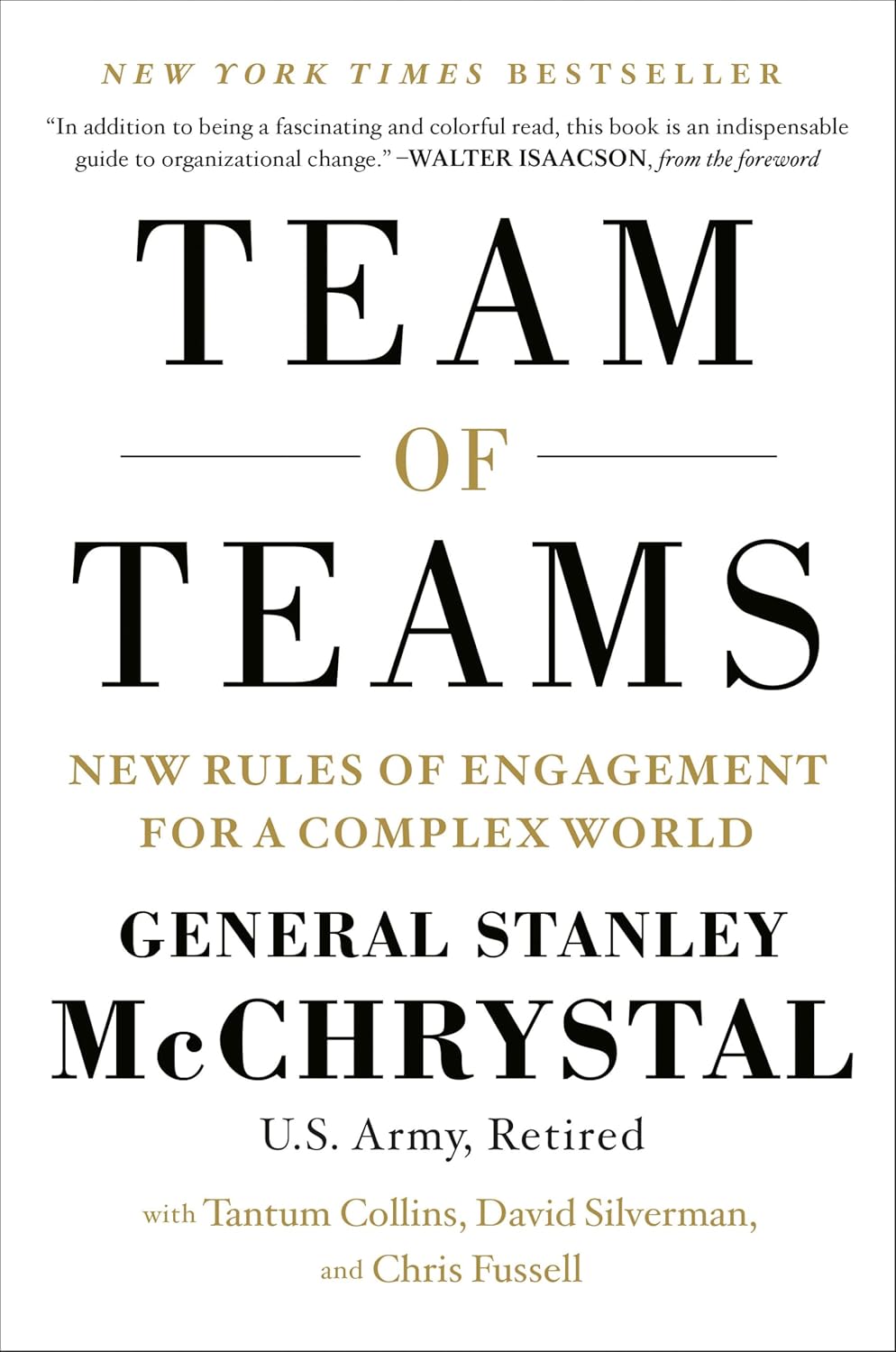
“Team of Teams: New Rules of Engagement for a Complex World”
The story of transforming a military team into a flexible, real-time collaborative network, with lessons applicable to business.
On Amazon

“The Culture Map: Breaking Through the Invisible Boundaries of Global Business”
An exploration of how cultural differences impact team interaction, especially within global distributed teams.
On Amazon


