Looking for the best task management apps to stay organized, focused, and actually get work done? This guide compares tools for freelancers, startup founders, and remote teams who want more clarity, not more noise. Whether you need minimal to-do lists, team dashboards, or calendar-based planning, we break down the top tools by use case, pricing, and real-life fit. Skip the bloat — find what works for the way you work.
TL;DR Top task management apps
- Taskee
- Todoist
- ClickUp
- Trello
- Notion
- Asana
- TickTick
- Motion
- Sunsama
- Microsoft To Do
Key takeaways

Some apps are great for organizing complex, multi-person workflows – others are better for staying personally accountable
Look for tools with custom statuses, simple UX, and time tracking if you're balancing structure and focus
The best task managers focus not on "doing more", but on helping you see what matters now
Why do task management tools matter?
Managing work isn't the problem anymore — it's managing how we manage work.
The average digital worker toggles between applications and websites nearly 1,200 times per day, losing almost 4 hours per week — or about five working weeks per year — simply getting back on track after context switching.
There are more productivity tools than ever before. Every week, a new app promises to streamline tasks, boost focus, or "revolutionize" workflow. The real issue is overchoice and tool fatigue. Most teams don't need another inbox or a prettier calendar — they need clarity, ownership, and flow. If you believe HBS, that is.
That's where the right task manager makes a difference. Not by doing more, but by helping teams focus on what matters now, delegate clearly, and track progress without getting buried in notifications.
As Artyom Dovgopol, co-founder of Taskee, puts it: "The right tool doesn't make you work harder — it just makes it easier to know what you should be doing in the first place."
Whether you're running a growing team or juggling solo projects, the right tool won't just keep you productive — it'll help you avoid burnout.
Who should use a task management app?
Task managers aren't just for productivity enthusiasts. They're essential for anyone trying to keep work structured across tools, time zones, or teammates.
Here's how different roles and team types benefit from the right task management app:
Freelancers and solo creators
Without a system, tasks get buried in chats, notebooks, or memory. A good tool helps to:
- Organize everything in one place — from briefs to deadlines
- Set priorities and track progress
- See how much time actually goes to work vs admin
Remote teams and distributed startups
In async or hybrid teams, lack of visibility leads to missed deadlines and duplicated work. Task managers address that by:
- Making clear who owns what
- Visualizing next steps and blockers
- Creating accountability without micromanagement
Agencies, consultants, and project-based work
When juggling multiple clients or deliverables, context-switching creates significant overhead. Task apps help to:
- Separate work by project or client
- Set clear timelines and due dates
- Avoid backtracking by logging feedback and revisions
Teams that balance deep work and ops
When the day is split between creative focus and operational tasks, a task manager supports both by helping to:
- Block time for deep work
- Log ideas or admin tasks without distraction
- Maintain structure without losing flexibility
Companies preparing to scale
Processes that work for small teams often break as organizations grow. Task management tools help by:
- Introducing structure without slowing execution
- Building repeatable workflows
- Ensuring visibility across teams and functions
One freelancer managing over a dozen branding and design projects uses Taskee to keep client work separated by boards, with clear statuses and lightweight time tracking. "It's not just a to-do list — it shows me what's in review, what's stuck, and where I'm actually spending time." Without it, they'd be buried in chats and notes.
In a small digital agency with six team members and 20+ clients, the team switched to ClickUp after trying Asana, Trello, and spreadsheets. What made it stick: the ability to create separate workflows per client, track workload across the team, and identify blockers before deadlines slip.
What are the best task managers?
Here's a selection of top tools that help freelancers, remote teams, founders, and creators manage work with more clarity and less overhead. Each entry covers what the app is best for, pricing tier, and key tradeoffs.
Taskee
Best for: freelancers, founders, and lean teams who want clarity without complexity.
Price tier: $ (free plan available)
Taskee is built for users who need focused project management without interface overhead. Rather than overwhelming with dashboards and integrations, it prioritizes clear task ownership, customizable workflows, and time tracking that reflects actual work patterns. Suitable for both individual workloads and small team collaboration, it delivers essential functionality without adding coordination complexity.
Todoist
Best for: personal productivity and cross-platform task syncing.
Price tier: Free / Pro plan available
Todoist is a well-established choice for individuals who need a clean, structured to-do list that works across web, mobile, browser, and email. Labels, priorities, recurring tasks, and natural language input make it effective for everything from daily task management to multi-week projects. Less suited to large team collaboration, but strong for managing individual workloads.
ClickUp
Best for: teams that want an all-in-one workspace.
Price tier: Free / Paid plans from $7/user/month
ClickUp consolidates tasks, docs, goals, dashboards, and time tracking in one platform. The high degree of customization supports everything from sprint planning to OKRs, though that flexibility introduces a steeper onboarding curve. A practical option for teams that need more than a basic task list but aren't ready for enterprise tooling like Jira.
Trello
Best for: visual thinkers and project overviews.
Price tier: Free / Business plans available
Trello popularized the kanban board and remains one of the most accessible tools for visual project mapping. Drag-and-drop cards, customizable lists, and a wide range of power-ups make it effective for content planning, product roadmaps, and lightweight team coordination. Its simplicity is often its primary advantage.
Notion
Best for: teams that want docs, tasks, and databases in one tool.
Price tier: Free for personal use / Paid from $8/user/month
Notion functions as a flexible workspace rather than a dedicated task manager, but its templates, checklists, and collaborative pages make it possible to build task systems inside it. Useful for startups and agencies that want to consolidate docs, wikis, and sprints in a single tool. Without consistent organizational discipline, it can expand into an unusable structure.
Asana
Best for: structured team collaboration with timelines.
Price tier: Free–$$$
Platform: Cross-platform
Standout: timeline view, rich integrations, project clarity
Asana provides clear visibility into task ownership and timing, making it particularly effective for marketing, product, and operations teams. Timeline, Milestones, and Workflow builder features support structured delivery processes. Its integration range — Slack, Google Drive, Zoom, and others — makes it a reliable choice for growing startups and mid-size companies.
TickTick
Best for: personal productivity with habit and focus support.
Price tier: Free–$
Platform: Cross-platform
Standout: built-in Pomodoro timer, habit tracking, recurring tasks
TickTick extends standard task list functionality with a focus timer, habit tracker, and calendar view alongside natural language input, folders, and tags. Particularly useful for users tracking goals, routines, or recurring to-dos in a single place. Often underrated relative to its actual feature set.
Motion
Best for: automated calendar-based task planning.
Price tier: $$–$$$
Platform: Cross-platform
Standout: auto-scheduling, smart time blocking, AI assistance
Motion converts a task list into a live, auto-prioritized calendar. Adding tasks with deadlines triggers automatic scheduling that adjusts for meetings and competing priorities. Effective for executives, founders, and remote workers managing full calendars. The automated rescheduling model works well for structured workflows but can create friction in environments where creative flexibility is needed.
Sunsama
Best for: intentional daily planning and deep work.
Price tier: $$$
Platform: Cross-platform
Standout: daily review flow, planning rituals, deep work
Sunsama guides users through a structured daily planning process — selecting tasks, estimating time, and maintaining focus. It integrates with other tools while promoting a minimalist, distraction-reduced approach to daily work. Better suited to individual contributors prioritizing sustainable output than to fast-paced team environments requiring rapid task updates.
Microsoft To Do
Best for: Microsoft users who want seamless task syncing.
Price tier: Free
Platform: Cross-platform
Standout: Outlook integration, shared lists, simple design
Microsoft To Do integrates directly with Outlook, converting flagged emails into tasks and syncing reminders across devices. Straightforward and reliable for users already operating within the Microsoft 365 ecosystem. Appropriate for light personal use or teams whose existing infrastructure is Microsoft-based.
How do I choose the right task manager for my team?
There's no universal best — just the one that fits the actual day-to-day.
Deadline-heavy work with complex dependencies calls for a system like Asana or ClickUp. For deep focus and sustainable output, Sunsama or similar tools may be a better fit. Teams that want to consolidate notes, docs, and tasks in one place may find Notion workable.
For lean teams that value clarity, straightforward workflows, and tracking what matters without noise, Taskee provides a focused alternative — covering the essentials without requiring a tool administrator:
- Who's doing what
- What's the status
- How much time it took
The right task manager is the one a team actually uses consistently. Testing several options before committing reduces the risk of tool-switching later.
A quick breakdown of which tools fit which team type:
Tool |
Best For |
Key Strengths |
Potential Trade-offs |
Taskee |
Freelancers, lean teams, calm ops |
Clean UI, clear statuses, time tracking |
No complex features like OKRs |
Asana |
Growing teams, project collaboration |
Timelines, integrations, structured views |
Can feel heavy for small teams |
ClickUp |
Agencies, hybrid workflows |
Customization, dashboards, all-in-one |
Steep learning curve |
Todoist |
Personal productivity, solo work |
Fast input, mobile-friendly, recurring tasks |
Limited for team collaboration |
Notion |
All-in-one docs + tasks for startups |
Pages, databases, templates |
Requires discipline to stay organized |
Sunsama |
Focused work and intentional planning |
Ritual-based planning, deep work support |
More expensive, not ideal for fast-paced teams |
Motion |
Busy calendars and automated planning |
Auto-scheduling, smart prioritization |
Can create friction for creative workflows |
Trello |
Visual thinkers, content planning |
Simple boards, easy to use |
Limited tracking and reporting |
What should I look for in a task manager?
With many options available, the distinction between a useful task manager and an overfeatured one comes down to how well the app supports actual work patterns rather than feature count.
Custom workflows that match how you work
Effective task managers allow teams to define their own workflow stages — "Briefed → In Review → Approved" or "To Do → Doing → Done" — rather than enforcing a generic structure. Look for tools with custom statuses, tags, and folders that map to existing processes.
Clear ownership and status at a glance
Task owner, deadline, and current status should be visible in a single view without navigation. This is particularly important when task dependencies span multiple team members and project stages.
Time tracking that reflects reality
Modern tools offer built-in timers, automatic tracking, or fast manual logging — helping individuals and teams maintain accurate awareness of where time goes. This matters for client billing and for balancing deep work with operational tasks.
Lightweight but functional interface
The best tools are fast, intuitive, and consistent across devices — including offline access and mobile sync. Complexity in the interface reduces adoption, particularly for teams under time pressure.
Focus over features
Over-customized tools often go unused. Effective apps help users prioritize, reduce distractions, and complete tasks. Recurring tasks, focus timers, and minimalist design support sustained momentum rather than adding overhead.
Interesting fact

A 2022 McKinsey study found that teams with clear workflows and defined responsibilities were 31% more likely to report low stress levels and consistent output in hybrid settings.
For more on focused workflows, async team habits, and productive routines:
Transform your workflow with Taskee task boards
A practical guide to smarter task management
Visual task management: Tools and strategies
Conclusion
No app produces team productivity on its own — but the right tool removes the friction that prevents it. The best task manager is the one a team understands, adopts, and continues to use as its work evolves. Whether the requirement is timelines and dashboards or simple lists with due dates, the goal is a tool that matches actual workflow rather than an idealized one. Tools like Taskee support lean teams with time tracking, clear task statuses, and explicit ownership — covering the essentials for teams that want to manage work, not manage a tool.
FAQ
What's the easiest task manager to start with if I work alone?
For freelancers or solo operators, lightweight options like Taskee, Todoist, or TickTick are a practical starting point. They require minimal setup and allow workload organization without complex onboarding.
Which task management apps are best for small or remote teams?
Taskee, ClickUp, and Asana are strong options for distributed teams. They provide clear task ownership, status tracking, and cross-team visibility — reducing reliance on constant check-ins or chat threads to stay aligned.
Do I need a task manager if I already use Google Calendar or Notes?
Calendar and note apps are useful tools, but they're not designed for tracking ownership, task progress, or deadlines across multiple projects. A task manager provides visibility into what's active, what's blocked, and what's being completed.
Can I use these tools with clients or external collaborators?
Yes — most task managers allow sharing specific tasks or boards with external users. This provides a structured way to gather approvals, share files, and track progress without relying on email threads or scattered feedback channels.
How long does it take to set up a task management system?
With a minimal configuration approach, most of these tools are operational in under 30 minutes. Tools like Taskee and Todoist work immediately out of the box, while ClickUp or Notion support more complex workflows that require additional setup time.
Are task managers worth it for freelancers?
Yes. Freelancers use task managers to organize client work, track billable time, and reduce the cognitive load of managing multiple concurrent projects. A lightweight structure delivers measurable benefit even for solo operators.
What's the difference between task management and project management?
Task management focuses on individual to-dos and ownership. Project management adds structure, timelines, and cross-functional coordination for larger, multi-phase workflows.
Recommended reading

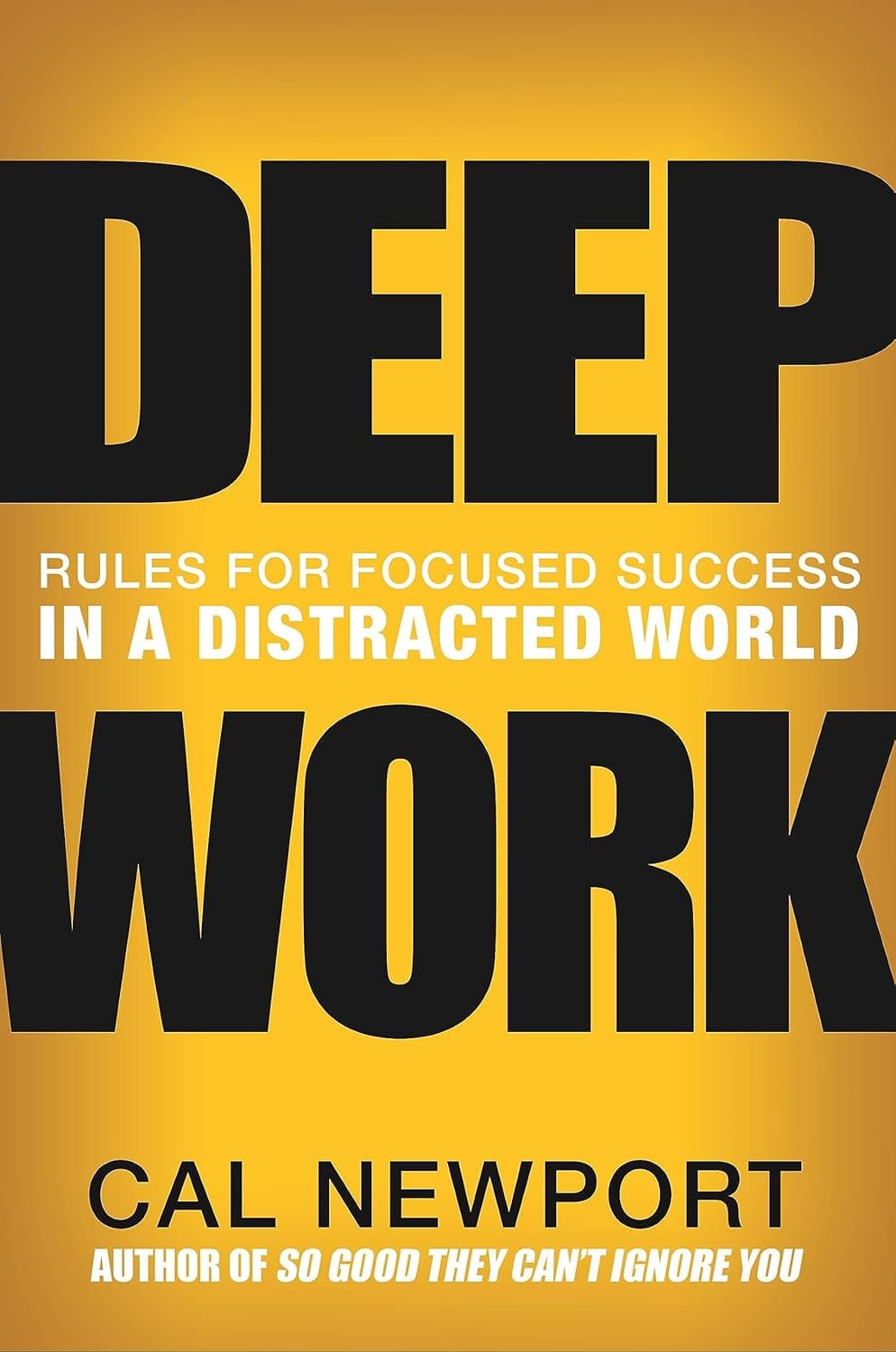
"Deep Work"
A reference on sustained focus and knowledge work productivity — particularly relevant for teams balancing creative work with operational demands.
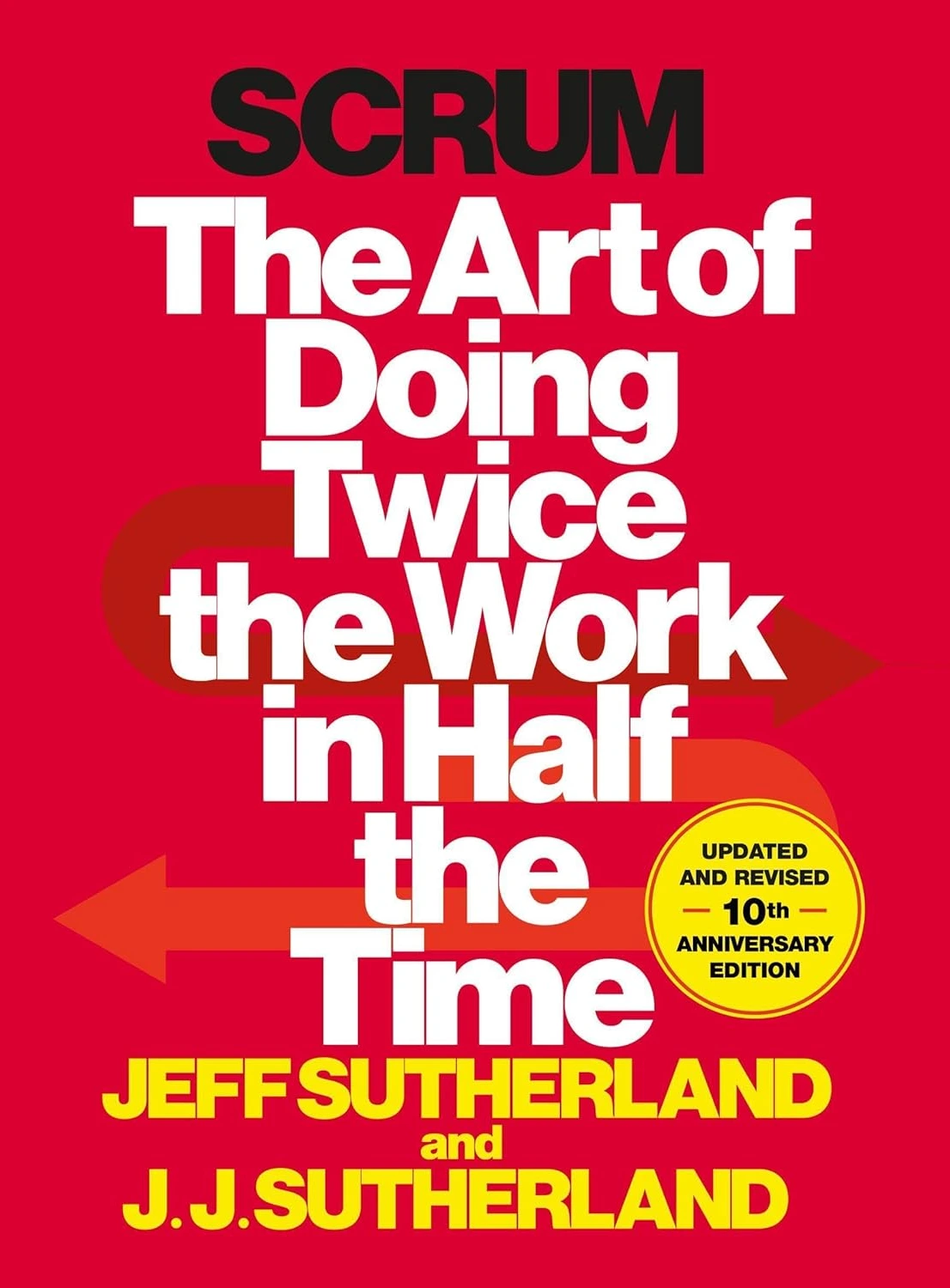
"Scrum: The Art of Doing Twice the Work in Half the Time"
Written by one of the inventors of Scrum, this book explains how structured task cycles drive results in small, iterative teams.
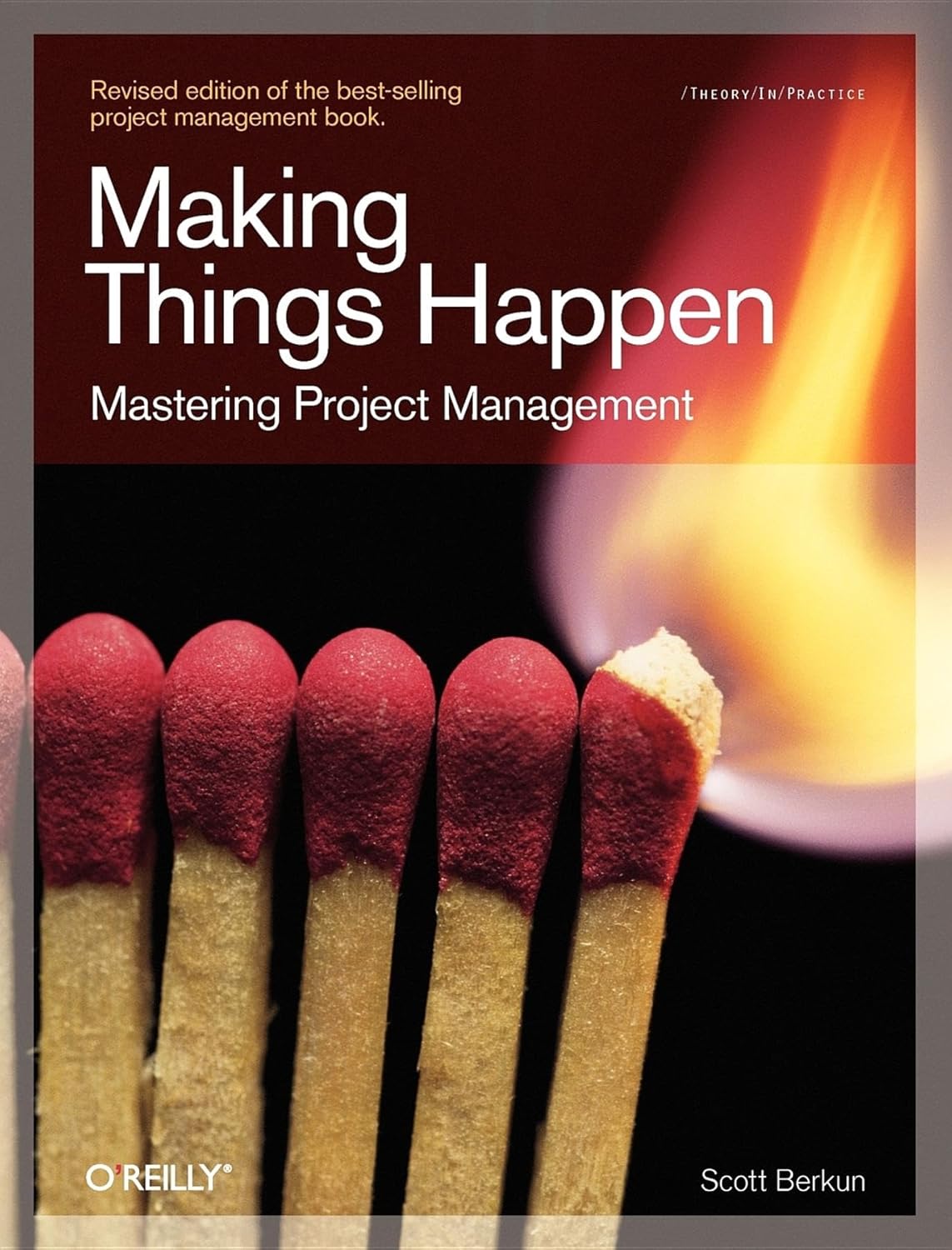
"Making Things Happen: Mastering Project Management"
Practical, direct guidance on managing projects, people, and competing priorities across real organizational contexts.


