Most IT projects don't fail because of bad code or missed deadlines — they fail because the right people weren't available at the right time, budgets drifted without anyone noticing, or critical equipment sat idle while teams scrambled. Resource management process is the operational layer that prevents these failures: it connects capacity to demand, surfaces conflicts before they become blockers, and gives project leads the data to make trade-offs instead of guesses.
Key takeaways

A structured resource management process helps teams reduce waste and rework, with well-run organizations reporting measurably higher on-time delivery rates
Automating allocation and tracking cuts routine coordination overhead, freeing managers to focus on decisions, not data entry
Balanced workload distribution is one of the most effective levers for reducing burnout risk and unplanned attrition
Understanding the basics
Resource management covers four interdependent pools: people, time, budget, and tools. The common mistake is treating them separately — hiring more engineers without adjusting timelines, or buying new software without accounting for the onboarding cost. Effective resource management links these pools so that a change in one triggers a reassessment of the others. For example, when a sprint scope grows by 20%, the process should force a conversation: do we extend the deadline, reallocate people from another workstream, or cut lower-priority features? Without that forcing function, teams absorb the extra load silently — and problems surface weeks later as missed milestones or quiet burnout.

Planning and tracking
Resource planning starts with mapping what you have against what you need — not in a spreadsheet reviewed once a quarter, but as a living model updated at each planning cycle. The gap between available capacity and project demand is where most allocation failures originate. PMI's Pulse of the Profession data consistently shows that inaccurate resource estimation is among the top causes of project failure, ahead of scope creep and stakeholder misalignment.
Key monitoring aspects:
- Utilization rate per team member — anything consistently above 85% signals a burnout trajectory, below 60% suggests misallocation
- Forecast vs. actual hours per sprint or milestone, tracked weekly to catch drift early
- Dependency risks — identifying which tasks share a single-point-of-failure resource and building contingency
- Reallocation triggers — predefined thresholds (e.g., 2-week delay, budget variance over 10%) that prompt resource reassignment
- Velocity trends over time — not to punish slowdowns, but to calibrate future estimates against real data
Technology implementation
Tools like Taskee solve a specific problem: they make resource allocation visible across the team in real time. When a project lead can see that a designer is booked at 110% next week while a QA engineer sits at 40%, they can rebalance before deadlines slip. The value isn't in the tool itself — it's in removing the information asymmetry that causes most allocation failures. Without a shared system, managers rely on Slack threads and memory, which works for 5-person teams but breaks at 15+.
Essential platform features:
- Resource scheduling with conflict detection — the system should flag double-bookings automatically, not rely on manual checks
- Capacity planning with forward-looking views — see who's overloaded two weeks out, not just today
- Workload visualization across projects — boards and timelines that show each person's commitments in one place
- Time tracking tied to tasks — not for surveillance, but to build an accurate baseline for future estimation
- Performance analytics with context — utilization rates, delivery cadence, and bottleneck patterns that inform planning
Best practices
Process without flexibility becomes bureaucracy; flexibility without process becomes chaos. The goal is a lightweight framework that people actually follow. This means fewer rules, not more — but the rules that exist should be non-negotiable. The most common failure mode isn't the absence of a process; it's a process that exists on paper but gets bypassed because it's too slow or too rigid for real project conditions.
Implementation steps:
- Define a single source of truth for resource allocation — if it's not in the system, it doesn't count. This eliminates side-channel requests that overload key people
- Set a weekly capacity review cadence — 15 minutes, same time, same format. Short enough to sustain, frequent enough to catch drift
- Build escalation rules into the process — when utilization exceeds threshold, who decides what gets deprioritized? If the answer is unclear, people default to saying yes to everything
- Create feedback loops between delivery and planning — retrospective data on estimation accuracy should feed directly into the next planning cycle
- Start small and iterate — roll out the process on one team, measure the impact over 3–4 sprints, then adapt before scaling
Interesting fact 
According to PMI research, projects with a formalized resource management process are 28% more likely to be completed on time and within budget.
For a deeper understanding of modern project management practices, explore Agile Project Management: Effective Project Handling in 2026. If you're looking to optimize your processes and workflows, check out our guide on Workflow Templates: How to Optimize Processes for Maximum Efficiency. Additionally, learn how to leverage data for better decision-making in Data Analytics in Project Management: Enhancing Decision-Making and Project Outcomes.
Conclusion
Resource management works when it reduces the number of surprises in a project. The right process surfaces conflicts before they become crises, the right tool — like Taskee — makes allocation data visible instead of tribal, and the right cadence keeps plans aligned with reality. None of this requires a heavy framework. What it requires is consistency: a shared system, a regular review rhythm, and the discipline to update plans when conditions change rather than hoping the original estimate holds.
Recommended reading 
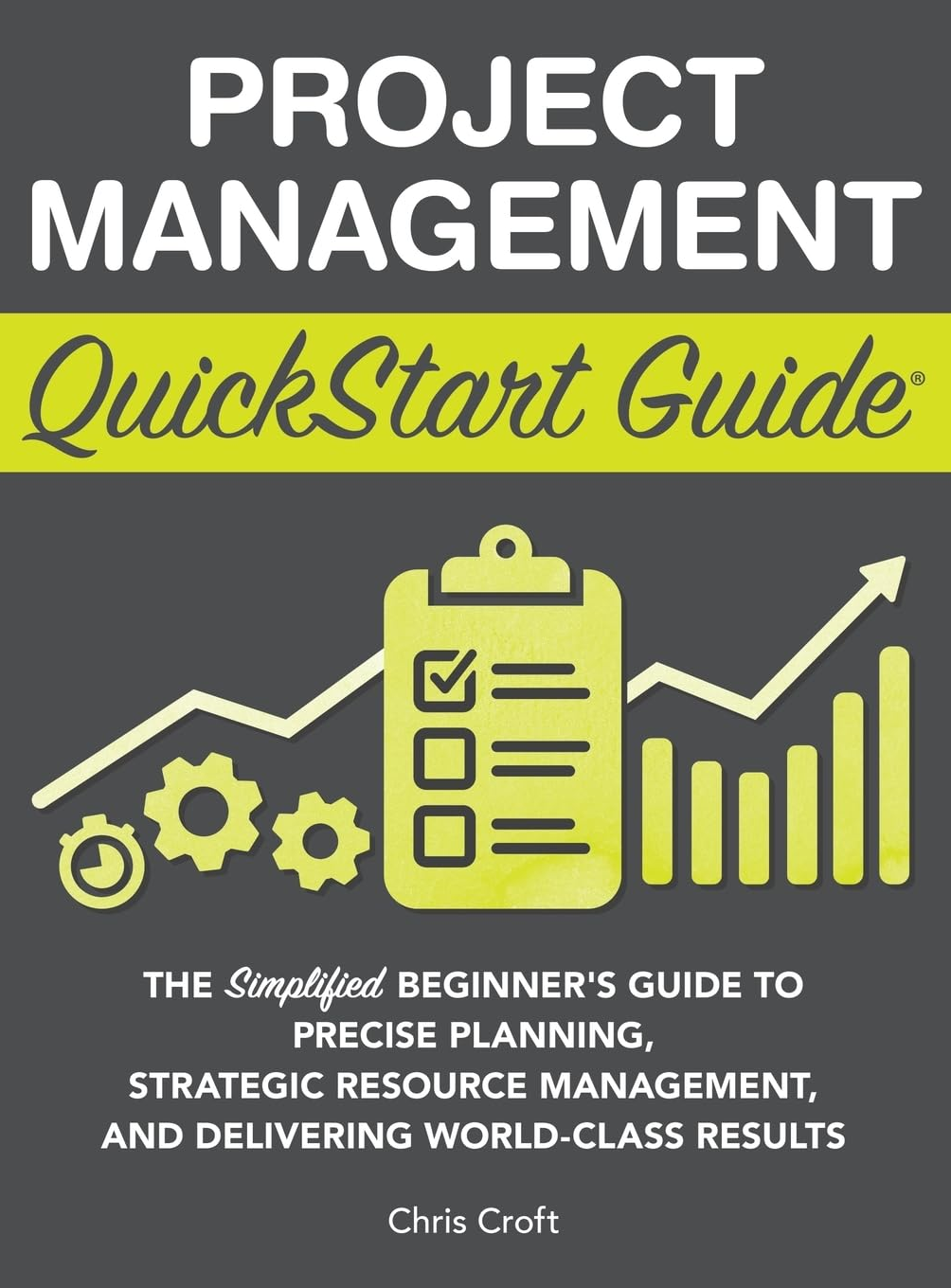
"Project Management QuickStart Guide"
A comprehensive guide for would-be project managers, experienced project planners, and everyone in between.
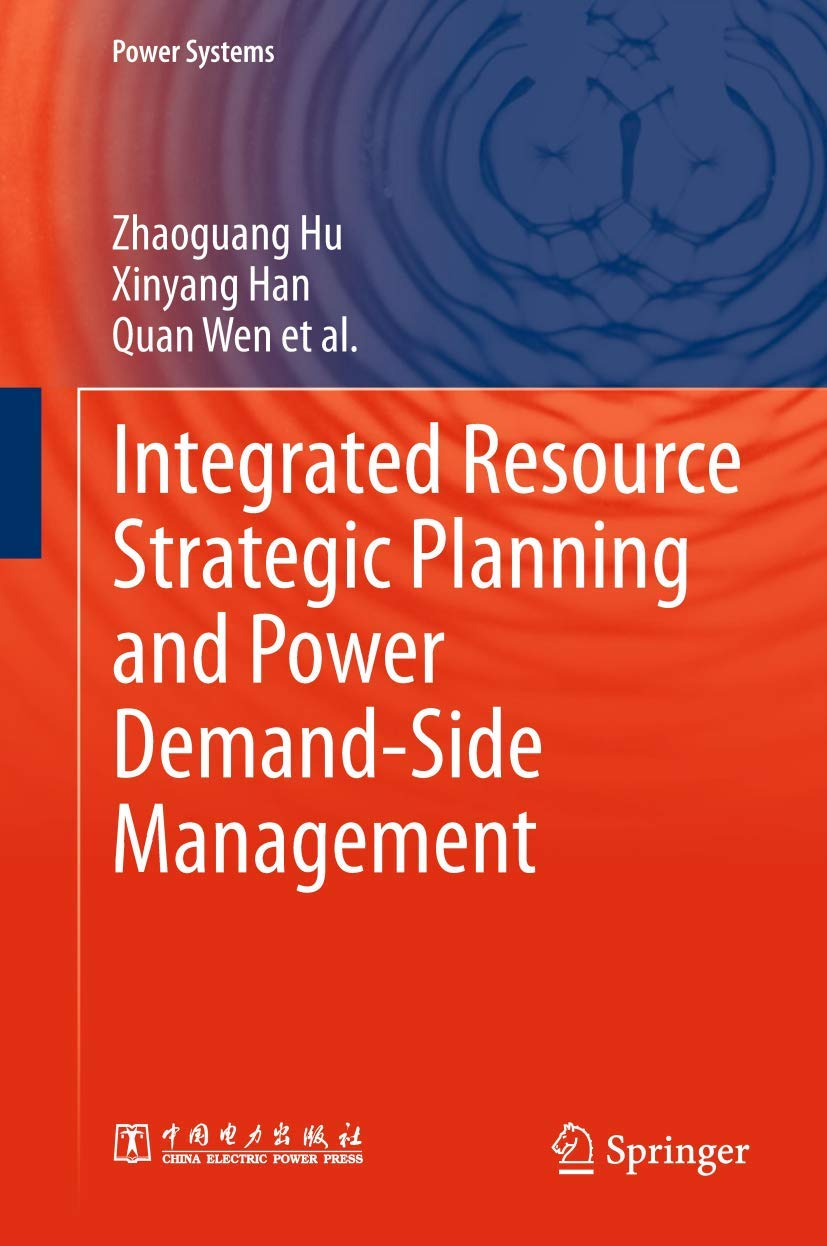
"Integrated Resource Strategic Planning and Power Demand-Side Management"
Introduces a prospective and realistic theory of the IRSP method and includes typical best practices of DSM for energy conservation and emission reduction in different countries.
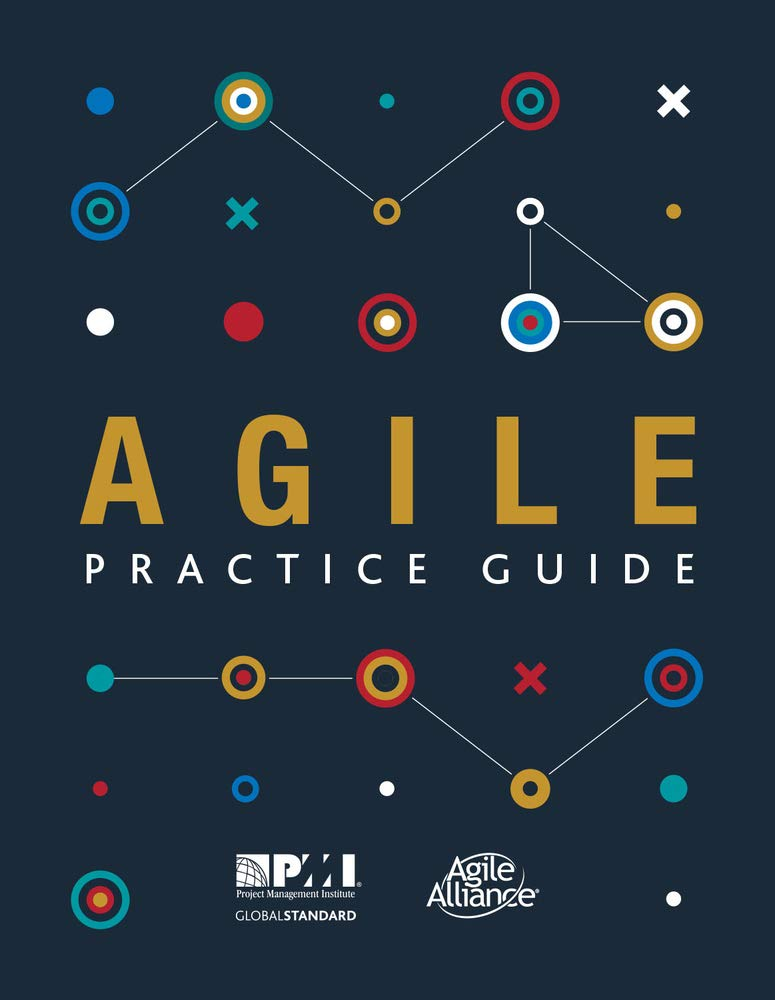
"Agile Practice Guide"
Provides guidance on when, where, and how to apply agile approaches and provides practical tools for practitioners and organizations wanting to increase agility.


