Agile teams ship small, working increments every few weeks rather than batching months of development into a single release.
Short cycles create tighter feedback loops. Teams find out sooner whether a feature solves the right problem, where users struggle, and which assumptions don't hold. The shorter the cycle, the cheaper it is to change course.
Key takeaways

Incremental delivery of value allows teams to ship working product earlier and validate ideas before large investments accumulate.
Short cycles support continuous improvement because teams regularly review both the product and their workflow.
Structured iteration planning helps teams protect focus and avoid chaotic task switching.
Understanding iterations: The building blocks of agile development
An Agile iteration is a short, fixed development cycle — typically one to four weeks — where teams plan, build, review, and adjust work. These cycles are often called sprints.
Smaller batches expose problems faster. When work ships in short cycles, teams find out quickly whether a feature solves the intended problem or creates new friction.
In SaaS environments this matters especially. User behavior, support tickets, and analytics constantly challenge initial assumptions. Iterations let teams adapt without derailing the entire roadmap.
Faster feedback loops are one of the most commonly cited reasons teams move toward iterative development.
How do agile iterations work?
Agile iterations typically last from 1 to 4 weeks and follow a structured process:
- Planning: The team selects a realistic set of backlog items for the iteration. Product owners define priorities while engineers estimate effort and surface dependencies.
- Execution: Development progresses incrementally. Daily stand-ups keep progress visible and help the team identify blockers early.
- Review: At the end of the iteration the team demonstrates completed functionality. Stakeholders evaluate whether the increment solves the expected problem.
- Retrospective: The team reviews the process itself. They identify delays, coordination issues, or technical bottlenecks and adjust the next cycle.
Example: Slack's early team used short sprint cycles to test interface changes and collaboration features against real usage. That tight feedback loop let them correct course before assumptions hardened into technical debt.
Benefits of agile iterations
Iteration-based development changes how teams manage risk, delivery speed, and collaboration.
- Faster delivery of value: Every cycle produces a working increment. Stakeholders see real product changes within weeks instead of waiting for large release milestones.
- Flexibility: Short cycles make roadmap adjustments safer. New insights can be incorporated in the next iteration rather than forcing disruptive mid-project changes.
- Risk reduction: Smaller work batches surface mistakes earlier. If a design or architectural decision fails, the problem appears after one sprint instead of several months later.
- Improved collaboration: Regular reviews and retrospectives create predictable communication points between product managers, engineers, and stakeholders.
Best practices for successful iterations
Iterations only work when teams treat them as operational discipline rather than just a planning format.
Set clear goals: Each iteration should have a measurable outcome. A goal like "reduce page load time by 25%" gives the team a concrete target and makes results easy to evaluate.
Prioritize tasks: Backlog prioritization should reflect product impact. When iteration capacity is limited, high-value improvements must come before lower-impact tasks.
Use retrospectives to improve: Iterations expose workflow problems too. If the team spends most of a sprint fixing defects, stronger automated testing or earlier QA involvement may be the fix.

Agile iterations vs. traditional project cycles
Unlike traditional waterfall planning, Agile iterations rely on continuous feedback and incremental delivery.
Aspect
|
Traditional Cycle
|
Agile Iterations
|
Flexibility
|
Low
|
High
|
Delivery Style
|
One-time (end of project)
|
Incremental
|
Stakeholder Involvement
|
Minimal
|
Continuous
|
Adaptability
|
Limited
|
High
|
|
|
|
Interesting fact 
Did you know? Iterative improvement predates Agile software development by decades. Toyota engineers used the "Plan-Do-Check-Act" (PDCA) cycle to refine manufacturing processes through repeated testing and adjustment. Agile borrowed the same core logic.
To dive deeper into the core principles that drive Agile, explore our article "What Is the Agile Manifesto? Understanding Its Core Values and Principles". Learn how to effectively build team structures in our guide "Agile Team Structure: Roles and Responsibilities for Effective Collaboration". For insights into improving iteration cycles, check out our tips on "Workflow Templates: How to Optimize Processes for Maximum Efficiency".
Conclusion
Agile iterations give development a steady rhythm. Short cycles compress the distance between an idea, its implementation, and the feedback that tells you whether it worked.
Problems surface earlier. Priorities can shift without chaos. Progress stays visible.
Recommended reading 
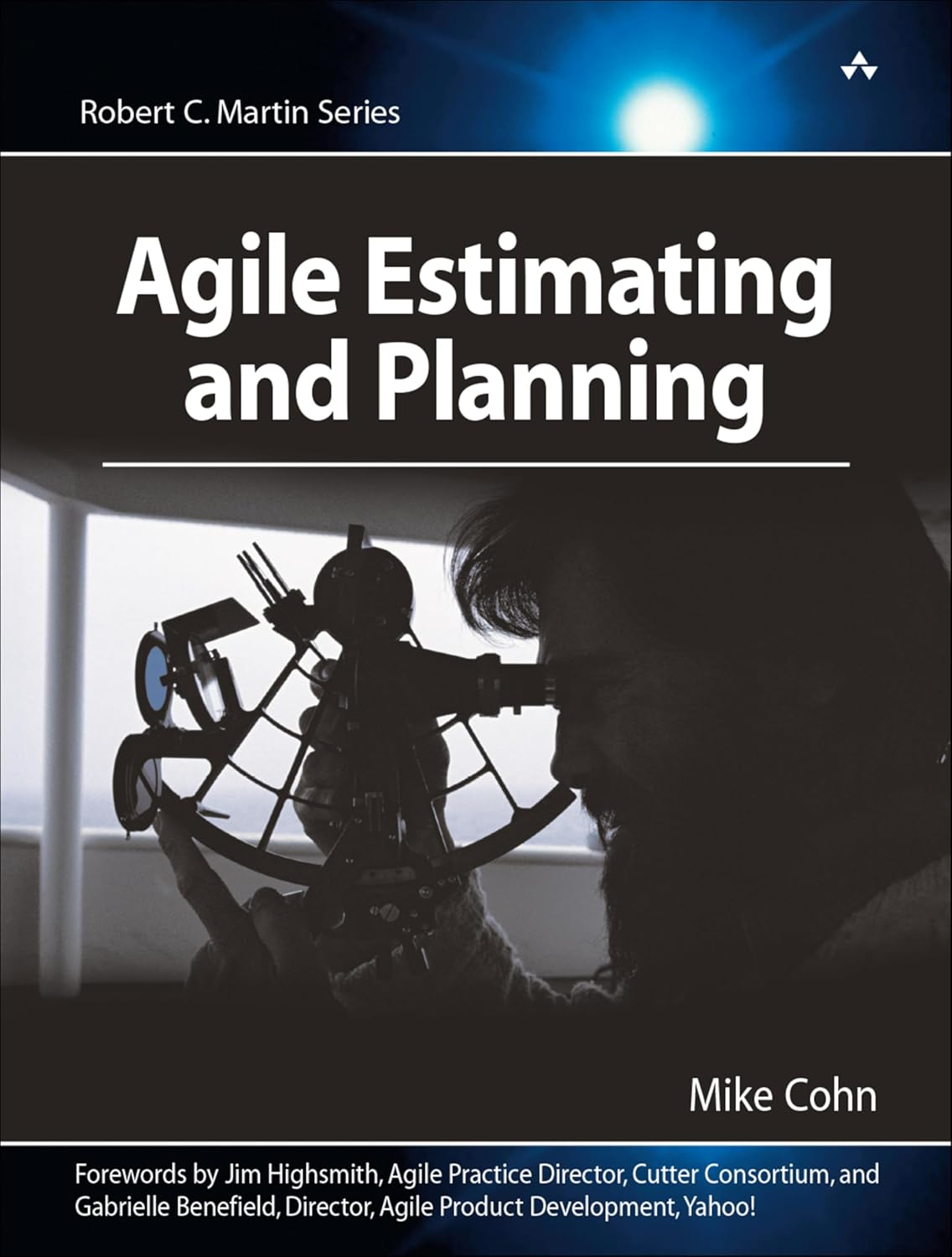
"Agile Estimating and Planning"
Covers estimation techniques and iteration management with concrete strategies teams can apply immediately.
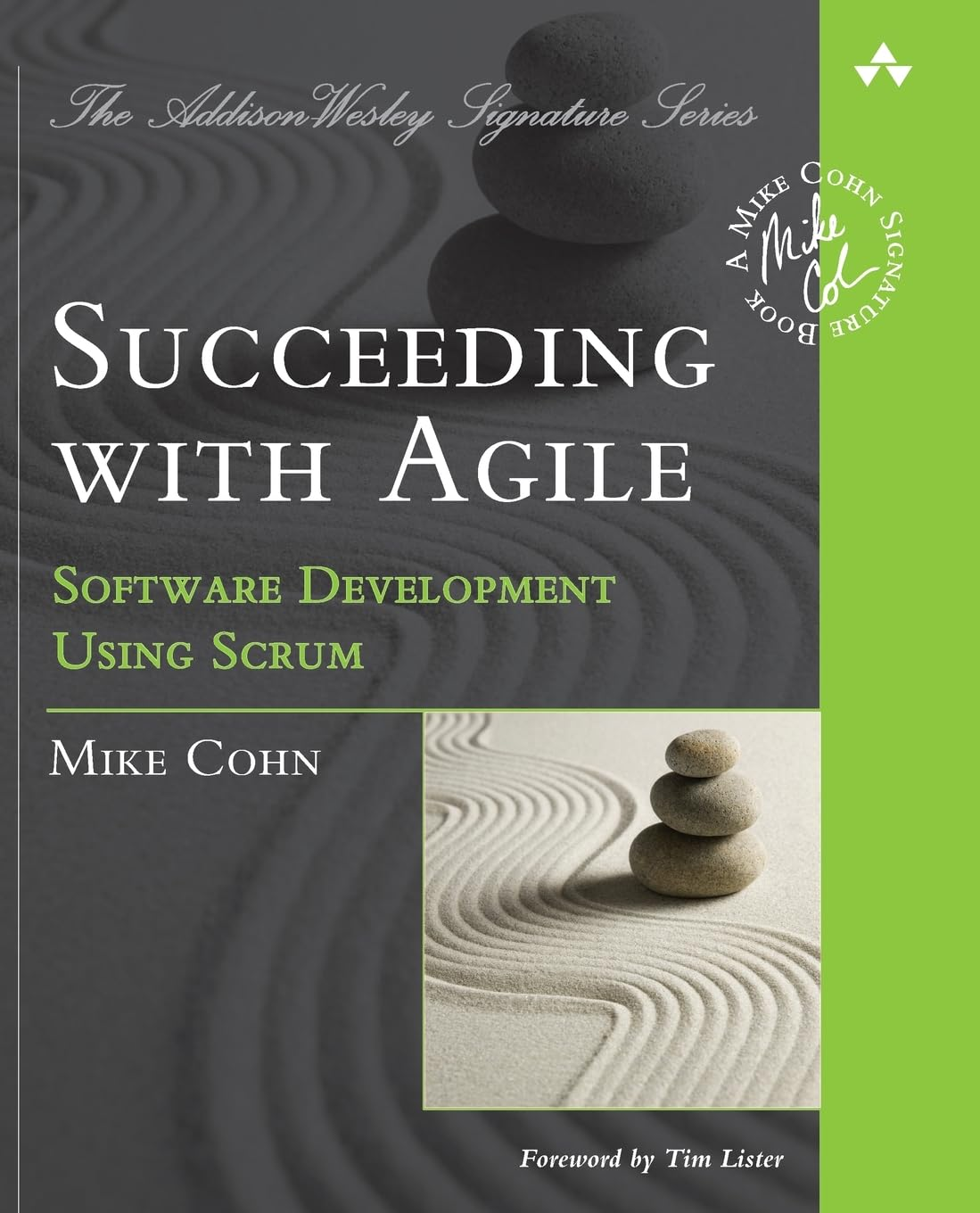
"Succeeding with Agile: Software Development Using Scrum"
A ground-level guide to Scrum in practice — including how to run iterations and retrospectives that actually improve team performance.
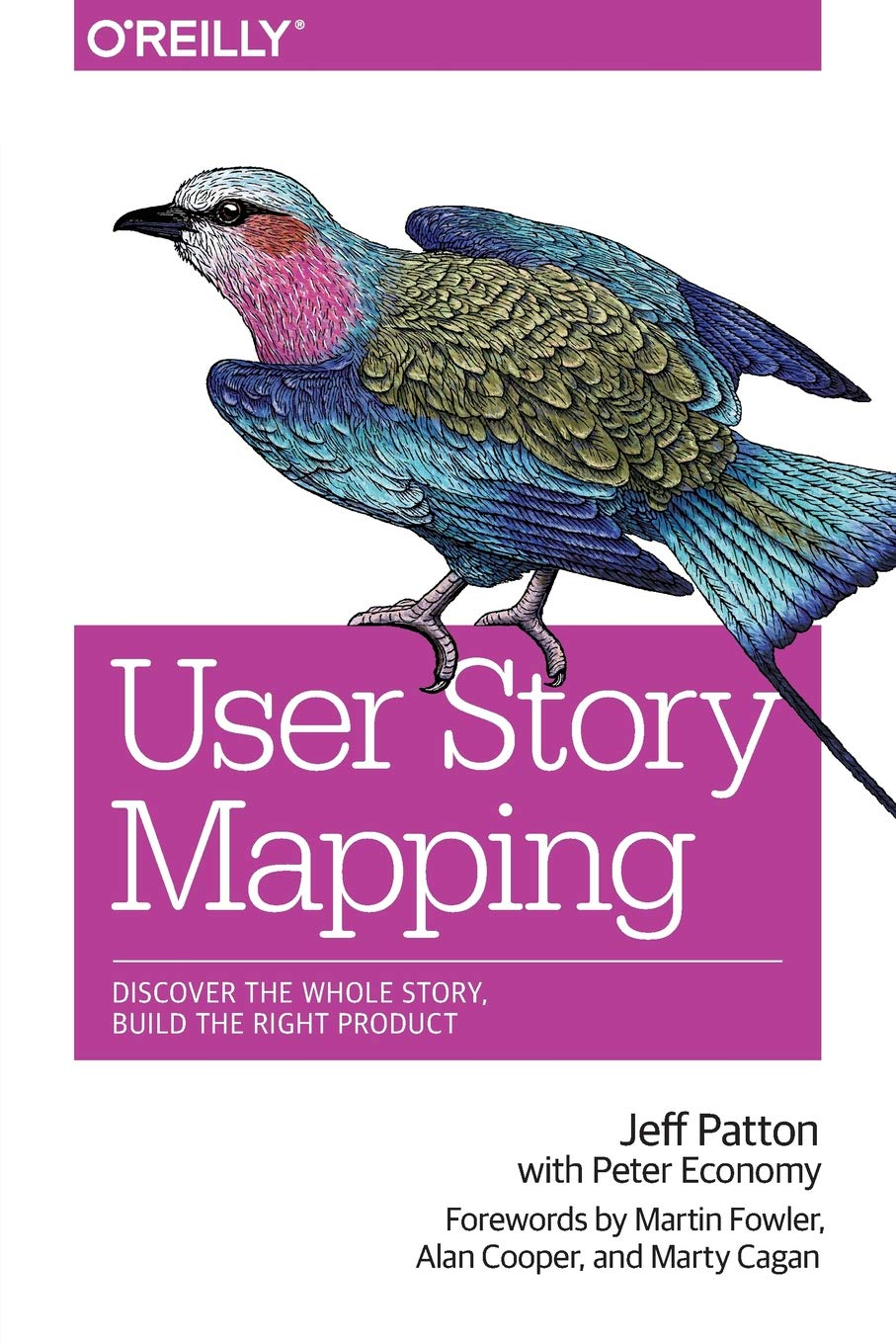
"User Story Mapping: Discover the Whole Story, Build the Right Product"
Shows how to map user stories to iteration goals so teams consistently deliver what matters most.


