When working on projects, tasks that overlap in terms of resources, deadlines, or team members are inevitable. Without clear coordination, this leads to conflicts, delays, and lost productivity. This article provides practical advice for preventing and managing such situations.
Key takeaways

Task conflicts arise from shared resources and timeline overlaps, causing delays and reduced quality
Problems are prevented through planning, clear role distribution, and buffer time
When conflicts occur, prioritization, communication, and resource reallocation are essential
Introduction
Overlapping tasks occur when two or more team members or task groups share common elements: these might be the same resources (such as a specialist or tool), a shared code block, interdependent work phases, or even simply the same time window.
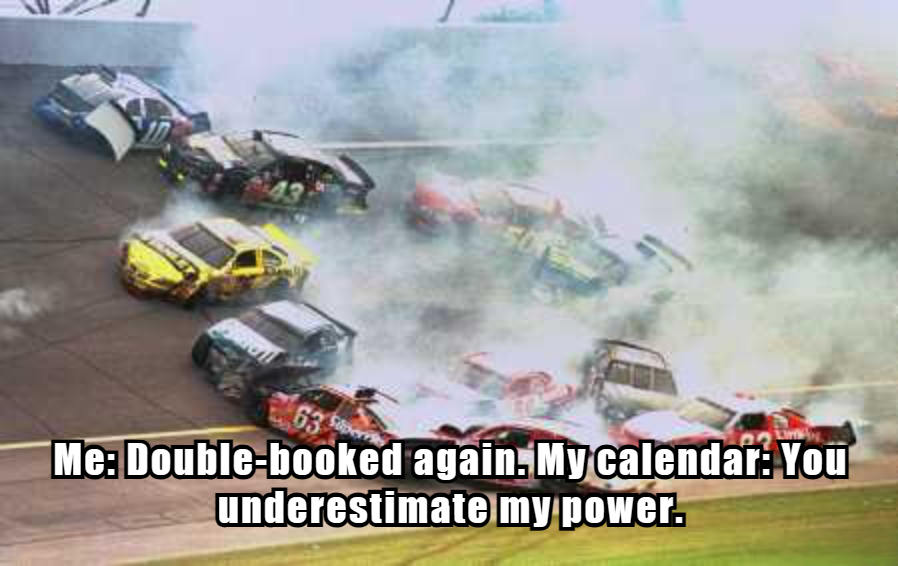
The core issue is that executing one task directly affects or blocks the execution of another, leading to delays and the need to resolve conflicts manually. Understanding this concept is the first step toward effective management.
Why conflicts arise
Ignoring or poorly managing overlapping tasks can lead to several negative consequences that seriously undermine team productivity and morale:
- Conflicts and Misunderstandings: When multiple people compete for the same resource or work area, it inevitably leads to disagreements and deteriorating team relationships.
- Delays and Reduced Pace: One task blocking another creates a domino effect, slowing down the entire project and often leading to missed deadlines.
- Quality Degradation: In a rush or due to lack of coordination, team members may make hasty decisions that negatively impact the final product's quality.
- Loss of Motivation: Constant obstacles and the need to resolve conflicts drain energy and reduce participants' enthusiasm for the project.
- Inefficient Resource Usage: Uncoordinated actions lead to suboptimal allocation of specialists and tools.
Avoiding conflicts
The best way to deal with overlapping tasks is to prevent them during the planning phase. Thorough and transparent planning is the cornerstone of a successful project.
- Visualize Dependencies: Use Taskee to visually display all tasks and their relationships, for example, through Gantt charts or Kanban boards. Clearly define which task must be completed before the next one begins. This allows you to spot potential "bottlenecks" in advance.
- Clear Role Distribution: Each task should have one responsible person, even if a team works on it. Eliminate ambiguity in roles and responsibilities to avoid situations like "that's not my job" or "I thought someone else would do it."
- Early Risk Identification: During planning, actively identify potential intersection points. If two tasks require the same unique resource (such as expensive equipment or a highly specialized expert), plan its usage schedule in advance.
- Buffer Time: Include realistic time buffers between dependent tasks in your plan. This provides a small cushion for unexpected delays and reduces pressure.
- Collaborative Planning: Involve all team members in the planning process. Those who will execute the tasks can often point out potential conflicts that aren't visible from the outside. Their participation also increases engagement and accountability.
Managing conflicts
If preventing overlapping tasks wasn't possible, you need strategies for resolving them effectively. This involves proactive conflict management in workflows.
- Prioritization: If two tasks conflict over one resource, the project manager must clearly determine which task has higher priority for the current project phase. This decision should be well-reasoned and communicated to all stakeholders.
- Communication: Open and timely communication is key to resolving conflicts. As soon as a potential overlap or conflict is detected, all involved parties must be notified immediately. Use common communication channels so information is accessible to everyone.
- Temporary Resource Distribution: In some cases, you can agree on temporary resource sharing. For example, one specialist might work on one task in the morning and another in the afternoon. This requires careful coordination.
- Bringing in External Resources: If the conflict can't be resolved, consider bringing in an additional specialist or tool to relieve pressure on the overlapping resource.
- Reassignment: Sometimes the optimal solution is to reassign one of the overlapping tasks to another team member who has the necessary skills and availability.
Tools for success
Modern tools for optimizing task planning and avoiding workflow conflicts significantly simplify managing overlapping tasks.
Project Management Software:
- Taskee: This platform allows you to create tasks, assign executors, set deadlines, track dependencies, and visualize progress. Built-in features for displaying resource loads help identify overlaps and plan workloads.
- Gantt Charts and Kanban Boards: Available in Taskee, they help visualize task sequences and dependencies, as well as timeframes.
Version Control Systems (VCS):
- Git (with GitHub, GitLab, Bitbucket platforms): For software development teams, VCS are indispensable. They allow multiple developers to work on the same code, track changes, and manage merge conflicts, which is a form of resolving overlapping tasks at the code level.
Communication Tools:
Slack, Microsoft Teams, Discord: Channels for quick communication, instant information exchange, and rapid problem-solving. They allow creating themed chats for discussing specific tasks and dependencies.
Collaboration Tools:
Google Workspace (Docs, Sheets), Microsoft 365 (Word, Excel Online): Allow multiple users to edit the same document in real-time, immediately see changes and comment on them, minimizing version conflicts.
Resource Management Systems: Taskee includes modules for managing employee workloads, helping optimize distribution and avoid overloads.
Best practices
Besides using tools, it's important to follow certain conflict management strategies and task planning optimization.
- Regular Standups (Scrums): Short daily meetings where each team member quickly reports what was done, what's planned, and what obstacles exist. This allows quick identification and resolution of overlaps before they become serious problems.
- Transparency and Openness: All information about tasks, their status, dependencies, and responsible parties should be accessible to all team members. The less ambiguity, the less room for conflicts.
- Culture of Help: Encourage an atmosphere where team members are willing to help each other, share knowledge, and jointly solve problems rather than compete for resources.
- Training and Development: Invest in developing multifunctional skills among team members. The more people can perform various tasks, the easier it is to redistribute work and avoid bottlenecks.
- Continuous Monitoring: Regularly track task progress and resource loads. Be ready to quickly adjust the plan if unexpected overlaps or delays arise. Use Taskee's capabilities for this.
- Retrospectives: After completing each phase or project, conduct retrospectives to analyze how overlapping tasks were managed. What worked well? What can be improved in the future? This is valuable experience for future projects.
Interesting fact 
A few months before Windows 95's launch, Microsoft's designers and engineers couldn't agree on the appearance of the "Start" button—programmers insisted on minimalism while marketing demanded brightness. The conflict reached Bill Gates, who personally approved a compromise version. This delayed the final interface release by almost 2 weeks.
Related articles:
For a successful start in remote work, read How to become a digital nomad: Complete guide.
To make sure work doesn’t interfere with your personal interests, check out How to balance work and hobbies: Tips for a more fulfilling life.
To choose the best working model for your team, read about Hybrid work models: The future of workplaces.
Conclusion
Managing overlapping tasks is an integral part of successful project management. It requires not only the ability to work with tools but also developing a culture of open communication, proactive planning, and readiness for flexible solutions. By implementing these tips, project managers and teams can not only avoid conflicts and delays but also significantly increase their productivity, improve work quality, and create a more harmonious work environment. Remember: the key to success lies in foresight, coordination, and effective communication, and tools like Taskee will become your reliable assistants.
Recommended reading 
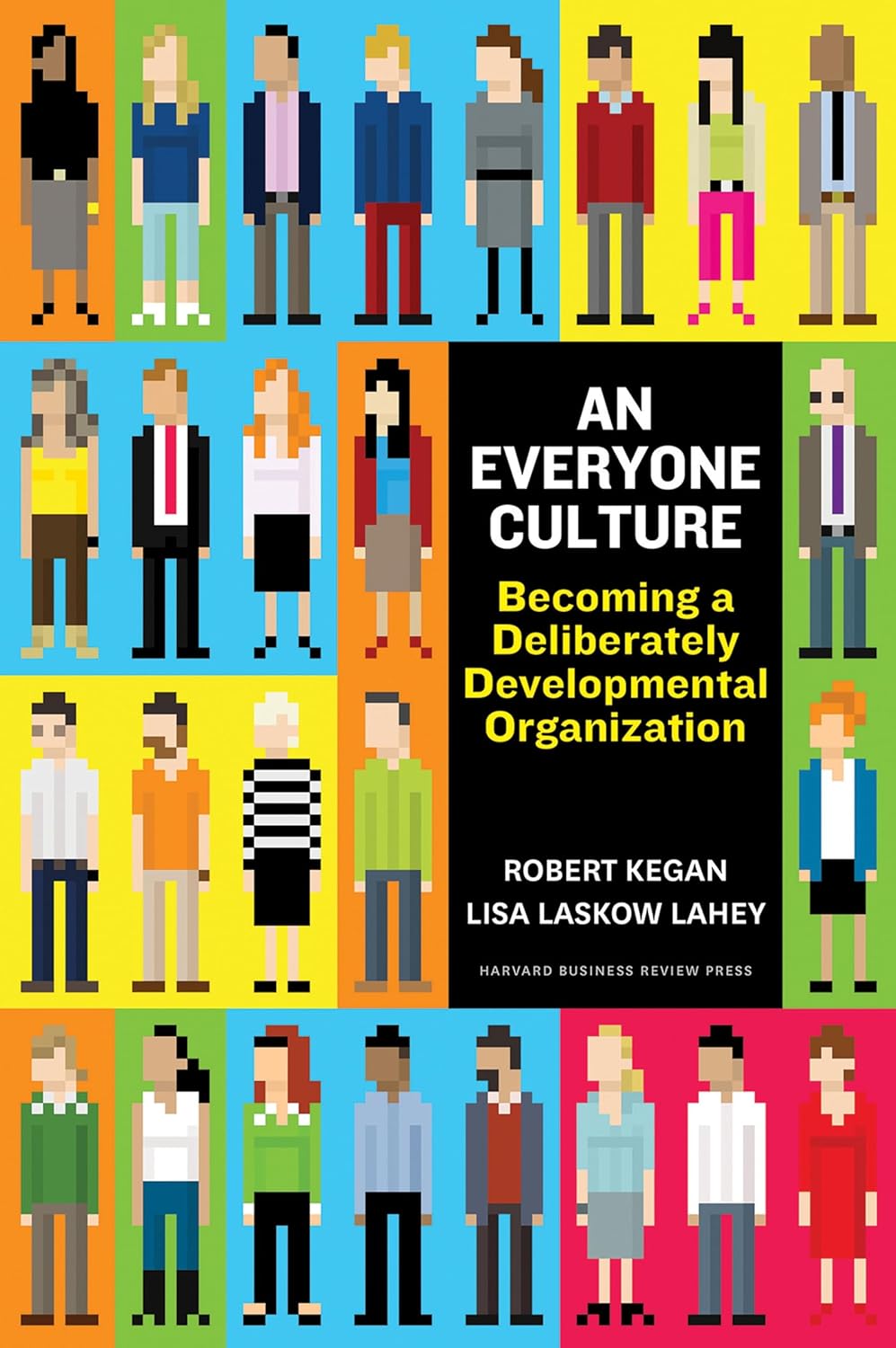
“An Everyone Culture”
Shows how organizations can succeed by creating a culture where every employee's development becomes part of their daily work and overall strategy.
On Amazon
“The Chaos Imperative”
Sometimes overlaps and "chaos" in teams can be a source of innovation if you learn to manage them properly.
On Amazon
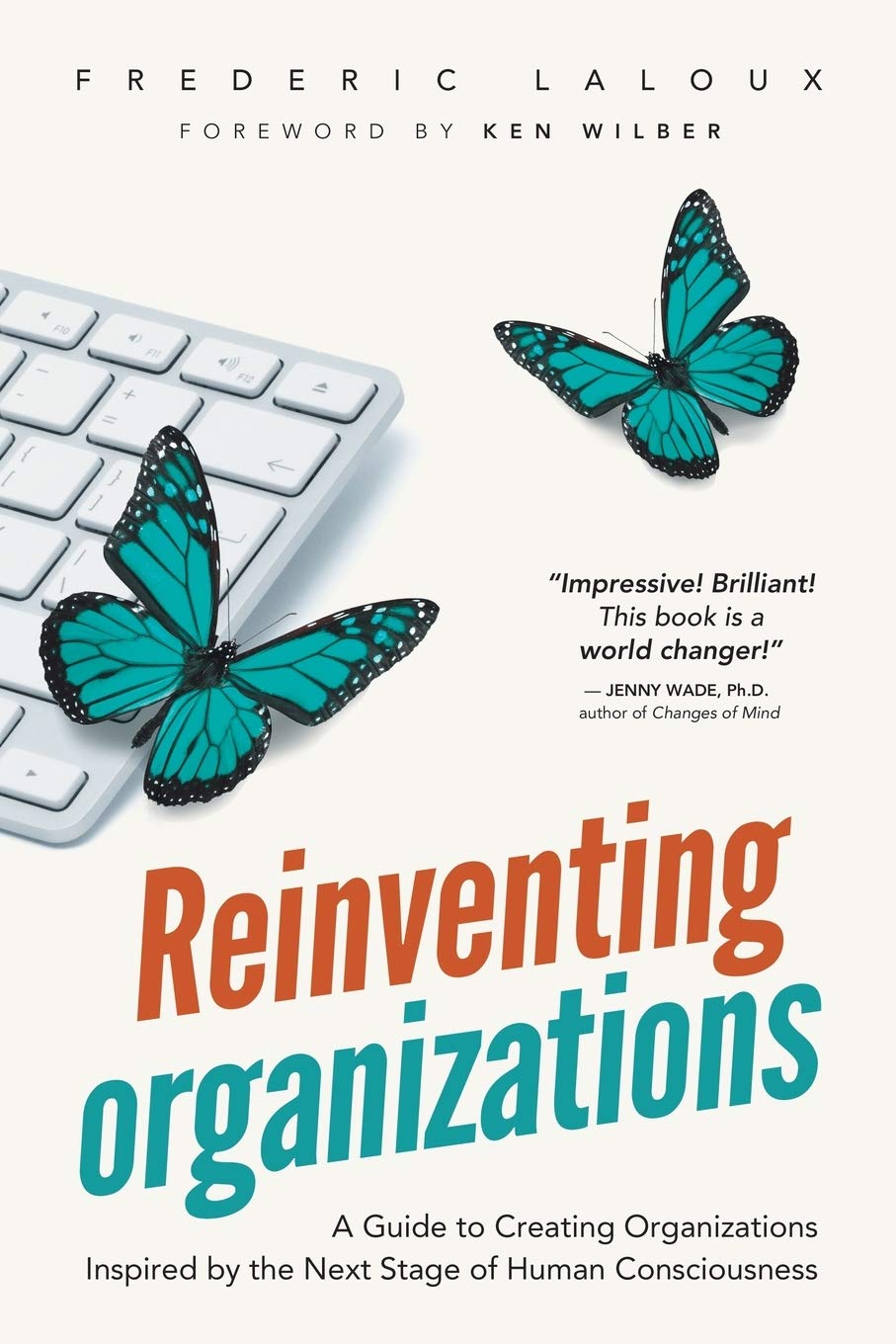
“Reinventing Organizations”
Tells about a new type of organization with decentralized management, where task overlaps are resolved through autonomy and self-organization.
On Amazon


