Having numerous digital tools doesn't always equal efficiency—often it leads to fragmentation, stress, and decreased productivity. This article shows how to transition from digital chaos to strategic mindfulness through smart transformation. You'll learn how to reduce tool proliferation, enhance focus, and implement technologies that deliver real value.
Key takeaways

Excessive digital tools reduce focus, cause overload, and increase time waste
Smart transformation is a strategy that includes auditing, integration, automation, and training
Intelligent technology management reduces stress, boosts productivity, and improves work quality
Introduction

Technology overload occurs when the number of digital tools and platforms in use exceeds employees' ability to effectively manage and integrate them into their daily activities. This isn't just about having many programs, but rather the lack of a clear strategy for using them, which leads to:
- Digital Clutter: Scattered data, duplicate functions, constant switching between applications.
- Reduced Concentration: Notification streams from different sources, constant need to learn new features.
- Mental Fatigue: Continuous cognitive load from managing multiple interfaces and information flows.
- Time Loss: Hours spent searching for information across different systems or performing the same actions in different tools.
Hidden pitfalls
Many organizations believe that "more technology equals better results." However, accumulating excessive digital tools has its dark sides that directly impact employee productivity:
- Information Fragmentation: Data stored in different systems makes it difficult to search, analyze, and create a unified picture. Employees waste valuable time manually aggregating information.
- Effort Duplication: Different teams may use different tools for similar tasks, leading to duplicated work and reduced efficiency.
- App Fatigue: The constant need to learn new programs and switch between them causes frustration, reduces motivation, and increases cognitive load.
- Reduced Adoption: When there are too many tools, employees struggle to master them fully, using only a fraction of their functionality.
- Rising Costs: Each new subscription, training session, and integration represents additional expenses that don't always pay off with real benefits.
- Security Threats: More tools increase the potential attack surface for cyber threats and complicate data security management.
Solving the problem
Smart transformation isn't just about purchasing new technologies. It's a strategic approach to rethinking how technology can serve the organization, focused on optimization, integration, and creating a more mindful work environment. It's about making technology work for you, not the other way around.
Key Principles of Smart Transformation:
- Purposefulness: Implement only tools that solve specific, clearly defined problems.
- Integration: Unite disparate systems into a single, seamless ecosystem.
- Automation: Maximize automation of routine processes using existing tool capabilities.
- Training and Support: Provide employees with necessary knowledge and resources for effective technology use.
- Mindfulness: Develop a culture of conscious digital tool consumption.
Optimization strategies
To combat technology overload and create a more focused work environment, organizations can apply the following smart transformation strategies:
- Current Tool Audit: Conduct a complete inventory of all programs, platforms, and applications in use. Determine which are actively used, which duplicate functions, and which are outdated. Involve employees in this process to get a realistic picture of usage.
- Establishing "Single Source of Truth": For each type of data (e.g., customer data, project tasks, financial reports), designate one primary system that will be considered the "source of truth." This eliminates confusion and duplication.
- Consolidation and Integration: Combine tools with duplicate functions or integrate them through APIs. For example, if you have separate messaging, task tracking, and document management systems, consider using a comprehensive platform that combines these functions, or set up their interaction. The goal is to reduce application switching.
- Routine Task Automation: Use existing tool capabilities to automate repetitive actions. This could include automatic reminders, report generation, or data movement between systems. Fewer manual operations mean lower cognitive load.
- Process Standardization: Develop clear rules and procedures for tool usage. For example, when to use email versus corporate messaging. This reduces chaos and makes work predictable.
- Purposeful New Technology Implementation: Before acquiring a new tool, conduct thorough analysis: what problem does it solve? What's its real value? How will it integrate into the existing ecosystem? Run pilot projects with small groups.
- Training and Digital Literacy Enhancement: Invest in employee training. Ensure they know how to use available tools most effectively. Training should be ongoing, not one-time, including new features and best practices.
- Encouraging "Digital Hygiene": Develop a culture of conscious technology consumption. Teach employees to manage notifications, close unnecessary tabs, and plan "distraction-free time."
- Regular Review: The technology world constantly changes. Regularly review your technology strategy, conduct repeat audits, and adapt to new challenges and opportunities. This isn't a one-time project but a continuous process.
Employee productivity
Implementing smart transformation strategies has direct and positive effects on employee productivity:
- Improved Focus: Reducing digital noise and simplifying workflows allows employees to concentrate on key tasks requiring intellectual effort rather than tool management.
- Reduced Stress and Burnout: Fewer switches, less clutter, less frustration—all contribute to improved mental well-being and reduced burnout risk.
- Time Savings: Time previously spent searching for information or manual duplication can now be directed toward more valuable, strategic tasks.
- Increased Satisfaction: Employees feel more competent and less overwhelmed when tools work for them rather than against them.
- Enhanced Collaboration: Integrated platforms facilitate more effective information sharing and teamwork.
Interesting fact 
In 2018, during a global Slack outage that lasted about an hour, a study showed that users increased their productivity by approximately 5% because the constant stream communication and distracting notifications disappeared. This confirmed that temporarily reducing digital noise can enhance concentration and work efficiency.
Related articles:
To maximize efficiency in organizing your workday while working from home, explore our Effective tips for successful remote work
Find out whether Agile methodology is truly right for your projects, or if you should consider alternatives, in our article about Disadvantages of agile project management: Is it right for your team?
To deepen your knowledge in project management and master advanced planning techniques for big goals, check out Top project management books for 2025: Essential reads for every PM
Conclusion
Technology overload is a real problem facing modern organizations. However, this isn't a reason to abandon digitization. Instead, it's a call for smart transformation—a conscious and strategic approach to choosing, implementing, and using technology. Through auditing, consolidation, automation, and continuous learning, organizations can not only eliminate digital clutter but significantly improve work efficiency, creating a more focused and productive work environment where technology truly serves people, not the other way around.
Recommended reading 

“Digital Minimalism”
About how consciously reducing digital tools improves focus and well-being.
On Amazon
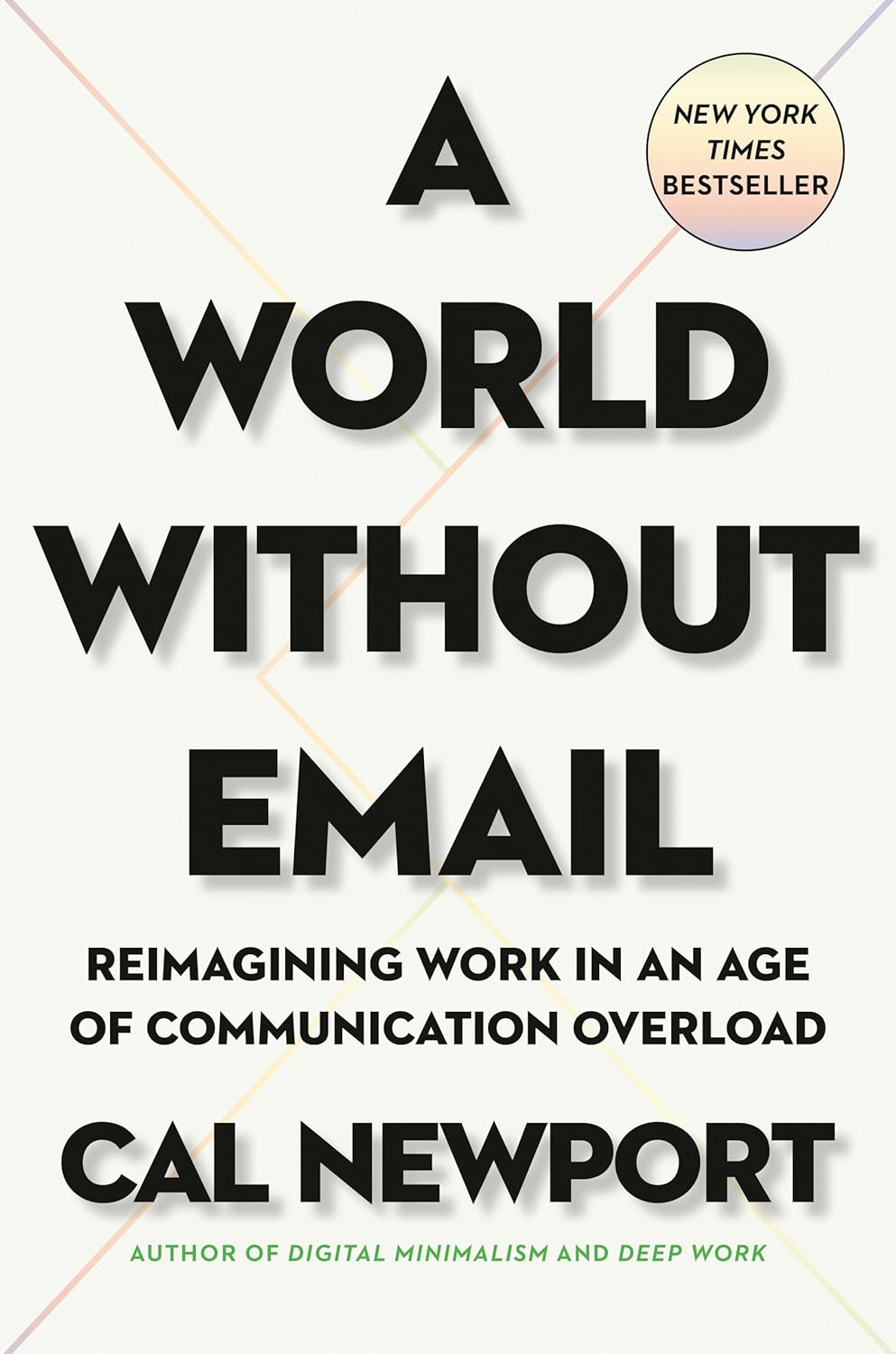
“A World Without Email”
An exploration of how corporate communications create overload—and what to do about it
On Amazon
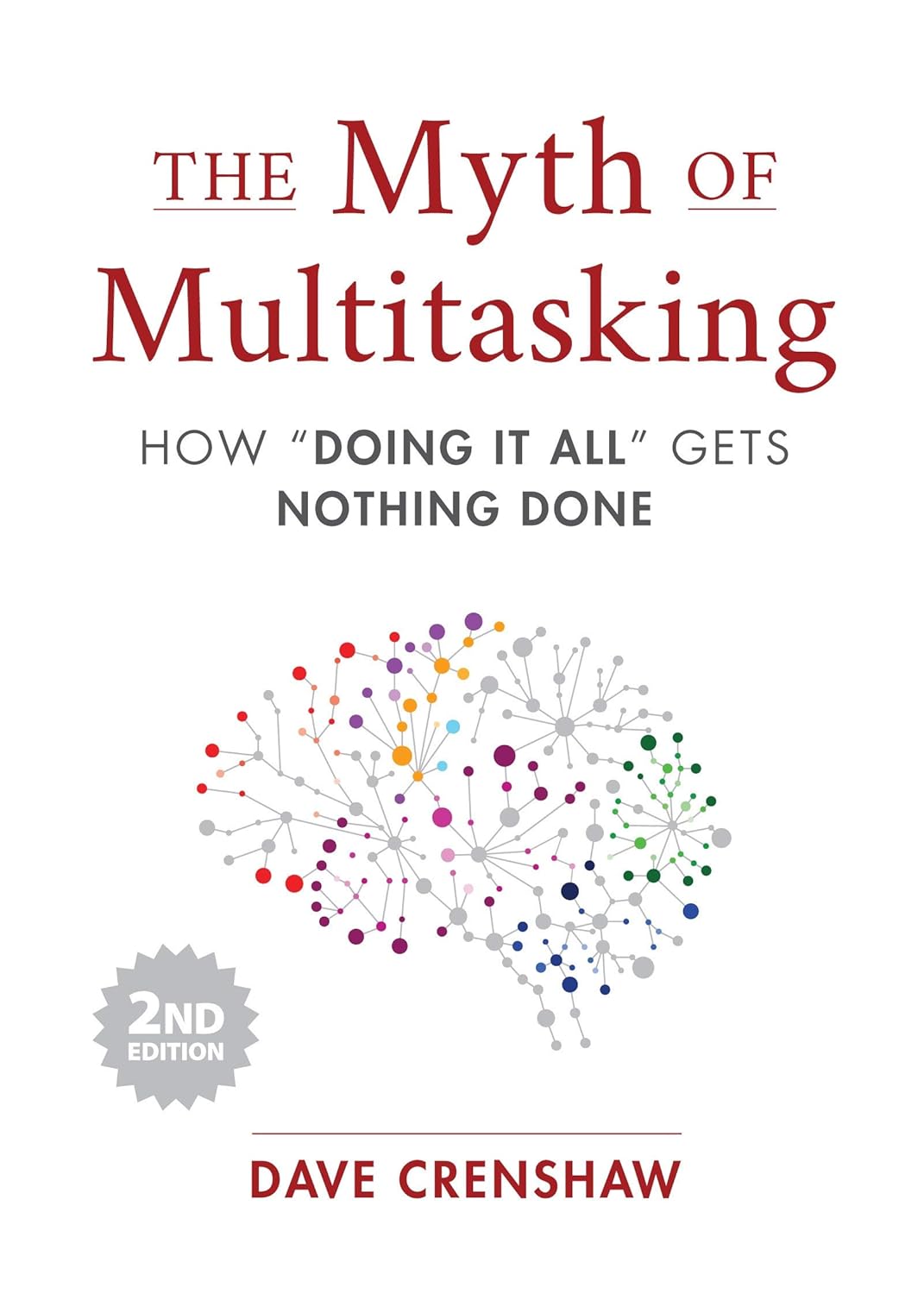
“The Myth of Multitasking”
Proves that multitasking is an illusion that destroys productivity.
On Amazon


