In today's business world, a company's success depends not only on strategy and technology but also on its ability to maintain high team morale. When employees feel valued and motivated, it creates a ripple effect of positive change throughout the entire organization. Here are six effective ways to strengthen your company culture and keep your team enthusiastic.
Key takeaways

Company culture requires continuous reinforcement through actions, not just slogans
Respecting, developing, and recognizing employees directly boosts motivation and reduces turnover
Open communication and supporting work-life balance enhance trust and loyalty within the team
Company values
Maintaining high morale begins with constantly reinforcing company values. Existing values shouldn't just be declared; they need to be actively supported in daily operations so employees feel their significance and relevance.
Practical Ways to Strengthen Values:
- Integration into Work Processes: Incorporate discussions about values into weekly team meetings. Use them as criteria when making difficult decisions.
- Reward System: Create a recognition program for employees who consistently demonstrate corporate values in their daily work.
- Training and Onboarding: Include value education in new employee onboarding programs and regular training sessions.
- Leadership by Example: Managers must embody these values through their behavior, as employees pay more attention to actions than words.
- Feedback: Regularly ask the team how values are manifested in their work and what could be improved.
When people see that values genuinely influence work processes and company decisions, it strengthens their belief in the organization and sustains high team morale.
Employee development
Professional development is a powerful tool for strengthening company culture. When an organization invests in the growth of its people, it fosters an atmosphere of mutual respect and long-term partnership.

Create mentorship programs, organize internal training sessions, and support participation in professional conferences. Encourage knowledge sharing between departments—this not only develops skills but also strengthens connections within the team.
Open communication
Transparency in communication fosters trust and team morale. Employees should feel they can freely express opinions, receive feedback, and be heard by management. Open communication creates an environment of psychological safety where people aren't afraid to share ideas or identify problems.
Tools for Fostering Open Communication:
- Regular One-on-One Meetings: Schedule personal conversations with each employee at least once a month to discuss work matters and receive feedback.
- Open Forums and Q&A Sessions: Organize meetings where employees can ask management direct questions and receive honest answers.
- Anonymous Feedback Channels: Create opportunities for anonymous suggestions through suggestion boxes, online forms, or surveys.
- Open-Door Policy: Encourage employees to approach management with any questions without waiting for formal meetings.
- Transparency in Decision-Making: Explain the rationale behind important decisions to the team, especially those that impact their work.
- Culture of Constructive Criticism: Teach employees how to give and receive feedback in a way that promotes development rather than conflict.
It's crucial not just to create communication channels but also to demonstrate that employee opinions genuinely influence decisions. This reinforces their belief in the significance of their contributions and maintains morale.
Work-life balance
Modern employees value flexibility and the ability to maintain a healthy balance between their careers and personal lives. Companies that support this balance benefit from more motivated and productive workers.
Consider options for flexible schedules, remote work, or additional time off. Encourage employees to use their vacation time fully and to avoid responding to work messages outside of working hours. This kind of care for team well-being pays off with increased loyalty and reduced stress levels.
Recognition of achievements
Regular recognition of accomplishments is a powerful tool for maintaining morale. When employees see their efforts noticed and appreciated, it boosts their motivation and desire to work with full dedication. Recognition is often more effective than many financial incentives because it fulfills a basic human need for respect and significance.
Effective Ways to Recognize Achievements:
- Public Recognition: Highlight employee successes in company-wide meetings, corporate newsletters, or on bulletin boards.
- Personalized Gratitude: Send personal emails or messages of thanks, specifying concrete achievements and their impact on the team.
- Nomination System: Create a program where colleagues can nominate each other for outstanding achievements or assistance.
- Instant Recognition: Don't delay gratitude; acknowledge good work immediately while it's still fresh in mind.
- Variety of Formats: Use different forms of recognition: from a simple "thank you" to formal awards, certificates, or extra days off.
- Team Achievement Recognition: Celebrate not only individual successes but also collaborative results, emphasizing the importance of teamwork.
- Client Feedback: Share positive client feedback with the employees involved.
Remember: recognition should be sincere, timely, and specific. Regularly using various forms of recognition creates a culture of mutual respect and maintains high morale throughout the entire team.
Informal communication
Company culture is shaped not only during working hours. Informal interactions help employees get to know each other better, which strengthens team spirit and improves collaboration.
Organize corporate events, team lunches, sports activities, or creative contests. Create comfortable break areas in the office where people can socialize informally. These initiatives are especially important for remote teams—regular online meetings that aren't solely for work help maintain connections.
Interesting fact 
In the 1980s, Hewlett-Packard (HP) was one of the first companies to adopt the concept of "MBWA"—Management by Walking Around. Leaders regularly interacted with employees on the ground to establish direct, informal communication. This significantly boosted employee engagement and became an example for other Silicon Valley companies.
Related articles:
Learn project management by reading our article The project management triangle: Balance scope, time, cost.
Make work easier for yourself and your team by familiarizing yourself with What is a Kanban board? A guide to visual workflow management.
Help teams focus on real user needs with the article Agile personas: Enhancing user-centric development in Agile projects.
Conclusion
Improving company culture is an ongoing process that requires consistent effort and a genuine desire to create a better work environment. Implementing these strategies will not only increase employee satisfaction but also create a sustainable competitive advantage.
Remember: company culture is shaped daily through countless small actions and decisions. Start small, be consistent, and the results will follow.
Recommended reading 

"Leaders Eat Last"
This book shows how leaders who prioritize their team's interests over their own create a culture of trust and high performance.
On Amazon
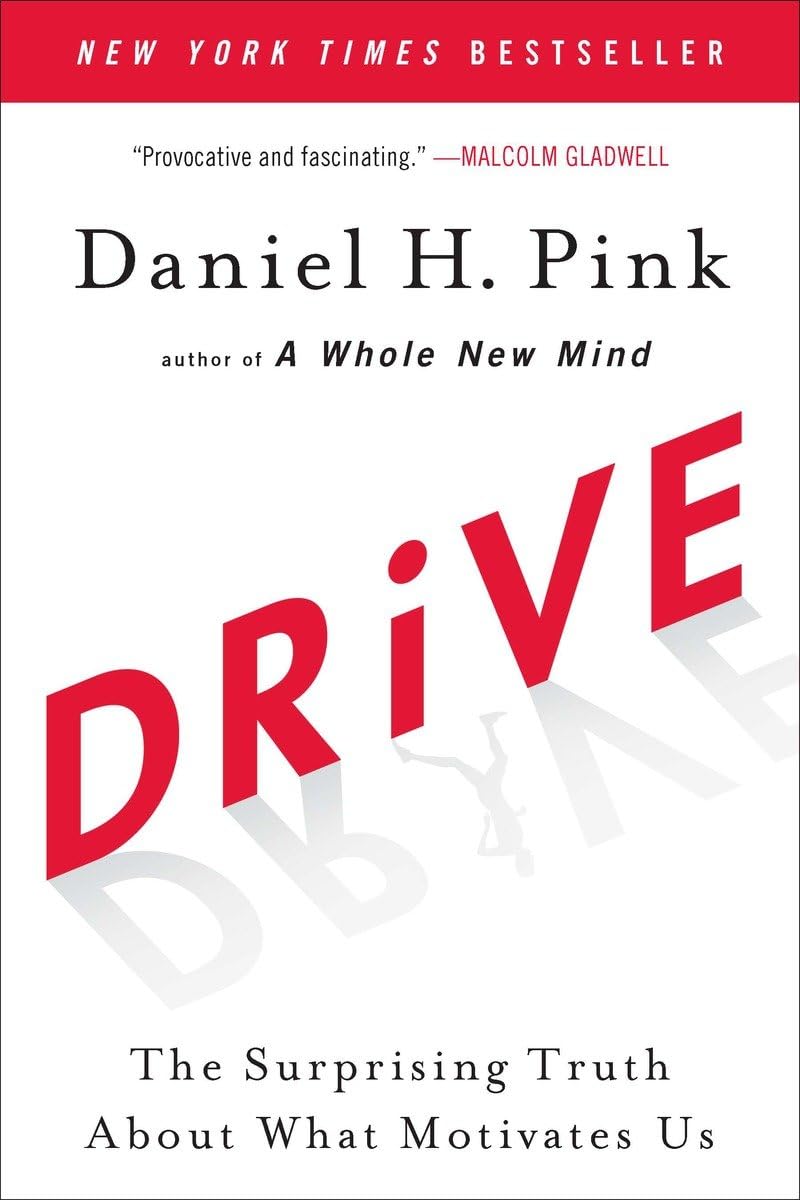
"Drive: The Surprising Truth About What Motivates Us"
The book explains why autonomy, mastery, and purpose are stronger motivators than external rewards.
On Amazon
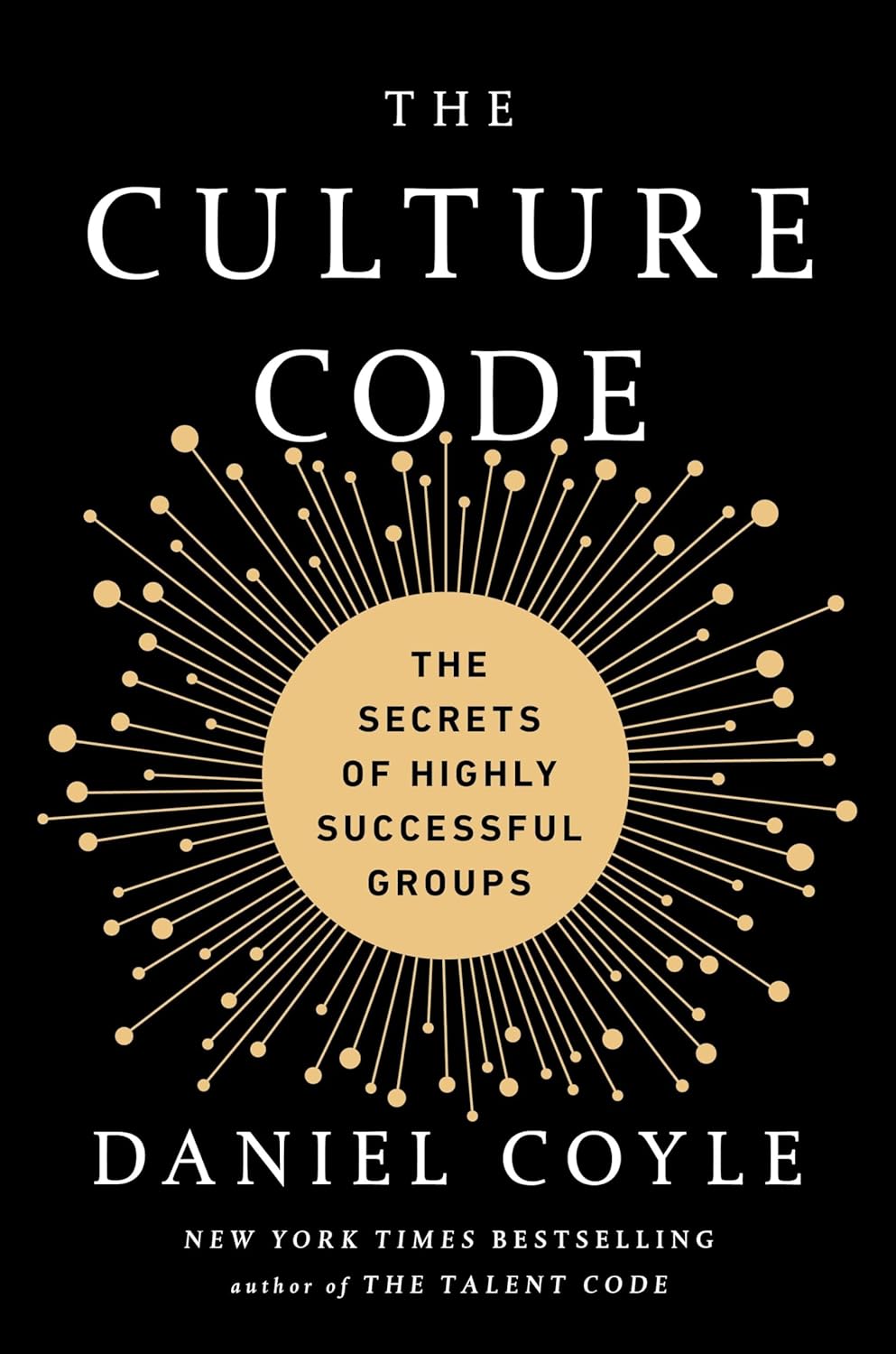
"The Culture Code"
The author reveals how successful teams build cohesive culture through safety, openness, and shared purpose.
On Amazon


