In the frantic pace of modern work life, we often believe in the myth of continuous productivity: the longer you sit at your computer, the more you accomplish. But science says otherwise! Our brains and bodies aren't designed for marathons without rest. This is where effective work breaks come in—not a luxury, but a necessity for your well-being and success.
Key takeaways

Regular breaks help the brain restore focus, reduce stress, and boost overall productivity
Quality of breaks matters more than duration: active and varied types of rest promote better energy recovery
It's important to move around, step away from screens, and switch to other activities
The role of breaks
You might be surprised, but taking a break means becoming more productive! Research on work breaks shows:

Brain reset: Prolonged concentration leads to mental fatigue. A break allows the brain to "reset" tension, restore attention and creativity.
Stress reduction: Continuous work increases cortisol levels. Short rest helps reduce tension and improve workplace well-being.
Error prevention: A tired brain makes more mistakes. Rest helps maintain sharp thinking.
Improved physical health: Prolonged sitting is harmful. Movement breaks improve circulation and reduce the risk of back and neck problems.
Timing and duration
How do you take effective work breaks? Science gives us clues:
- The 52/17 Rule: One popular work break study from Draugiem Group showed that the most productive employees worked for 52 minutes, then rested for 17 minutes. This rhythm helps maintain high concentration levels without overexertion.
- Pomodoro Technique: 25 minutes of work, 5-minute break. After 4 such cycles—a longer break (15-30 minutes). Perfect for those who struggle to focus for extended periods.
- Short and frequent: Even 5-minute pauses every hour or hour-and-a-half can bring enormous benefits. Regularity matters, not just duration.
The optimal break duration can vary, but the main principle is: the more frequently you take short pauses, the better you maintain high energy levels.
Break strategies
It's important not just to step away from your desk, but to make the break beneficial. Here are break strategies for boosting productivity:
- Move around: Stand up, stretch, walk around the office, or even go outside for a few minutes. Movement improves circulation and relieves tension.
- Disconnect from screens: Your eyes need rest too. Look into the distance, at greenery outside the window, or simply close your eyes for a minute.
- Drink water: Dehydration affects concentration. Make a glass of water part of your break.
- Change activities: If your work involves intellectual labor, engage in something physical or creative. For example, listen to music, draw, or do a little desk cleanup.
- Socialize (briefly): A short, positive conversation with a colleague can relieve tension and shift attention. But avoid long chats that might turn into new work tasks.
- Don't eat at your desk: Use lunch breaks as intended. Go to the cafeteria, cafe, or simply change your environment to properly rest and eat.
Avoid scrolling through social media or checking work email during breaks. This only creates the illusion of rest but doesn't allow the brain to recharge.
Interesting fact 
In Japan, since the 1980s, there's been a culture of "inemuri"—the practice of short daytime naps at work or in public places, which has proven effective in boosting employee productivity and creativity.
Related articles:
For comprehensive insights into virtual collaboration, explore Effective tips for successful remote work.
To enhance your goal-setting process, check out How to set up goals: Practical strategies for achieving success.
For data-driven decision making, dive into Data analytics in project management: Enhancing decision-making and project outcomes.
Conclusion
Breaks aren't a sign of laziness, but a smart investment in your productivity and workplace well-being. Implement these science-backed break strategies for boosting productivity into your workday, and you'll notice improved concentration, reduced stress, and increased overall efficiency. Allow yourself to rest in order to work better!
Recommended reading 
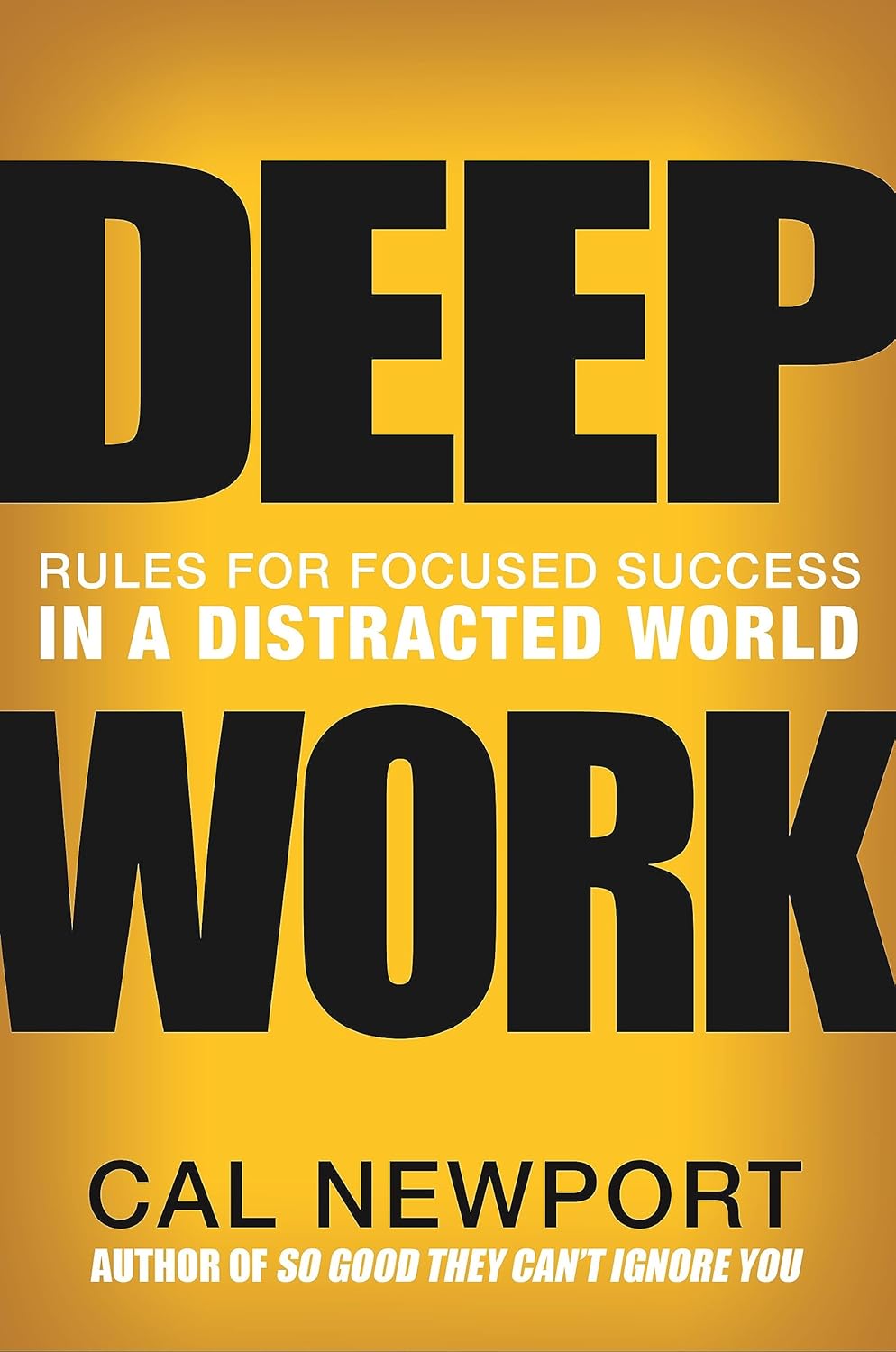
"Deep Work: Rules for Focused Success in a Distracted World"
This book reveals methods for achieving deep concentration and effective time management, including the importance of regular breaks.
On Amazon
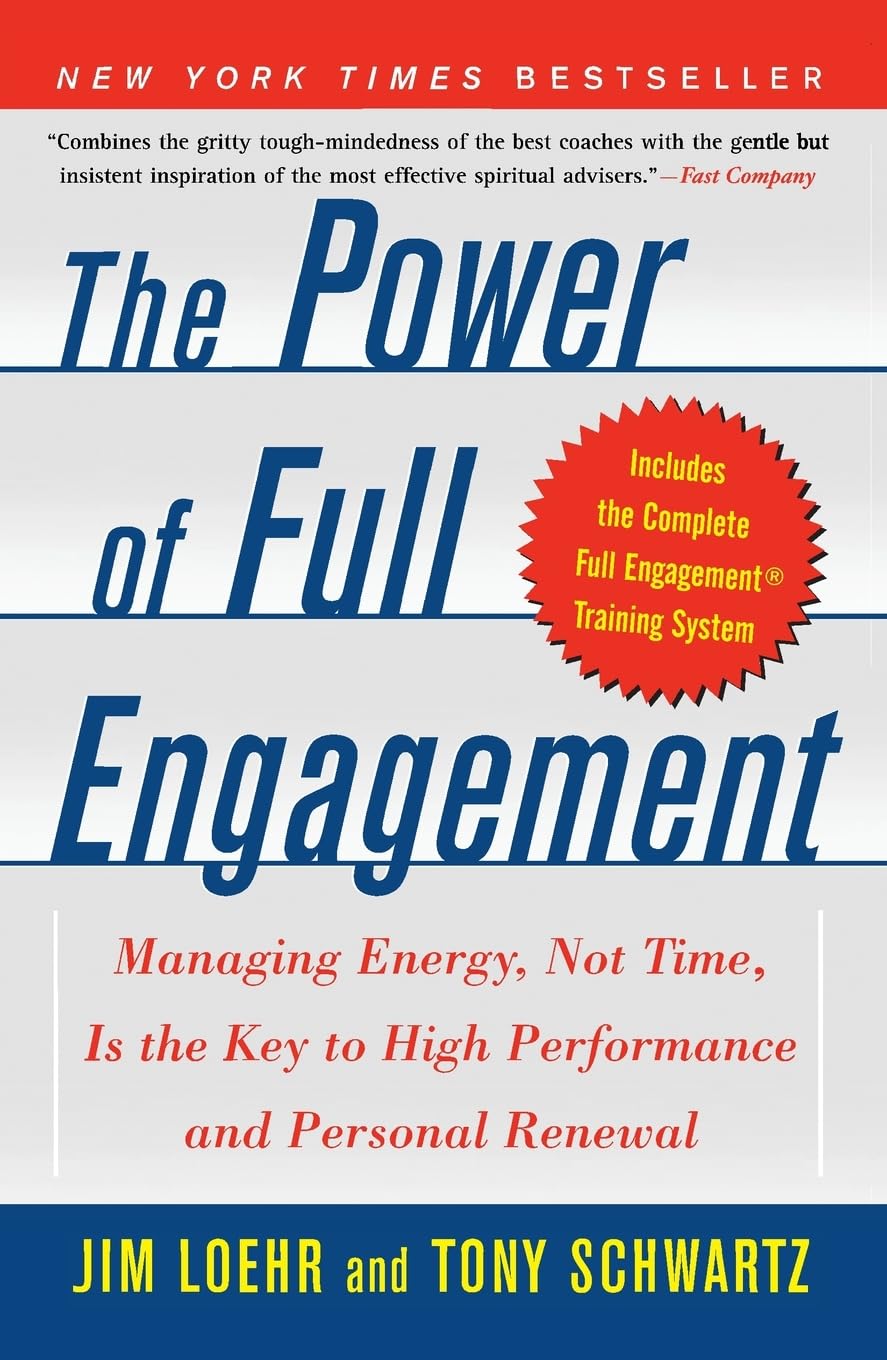
"The Power of Full Engagement"
Explains how managing energy, not time, allows you to boost productivity, and emphasizes the role of rest and recovery.
On Amazon
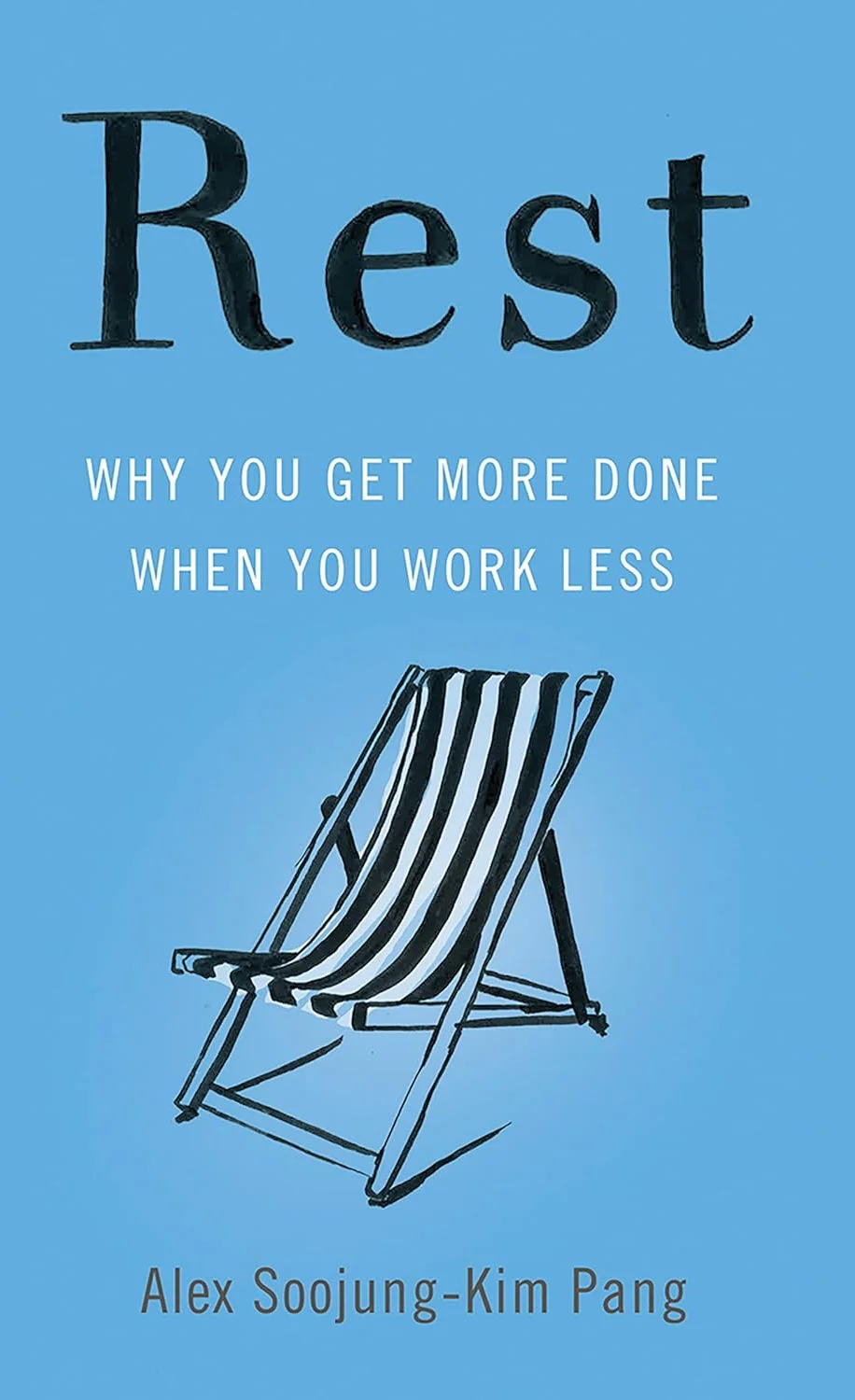
"Rest: Why You Get More Done When You Work Less"
Explores scientific evidence of how rest and proper breaks enhance creativity and work efficiency.
On Amazon


